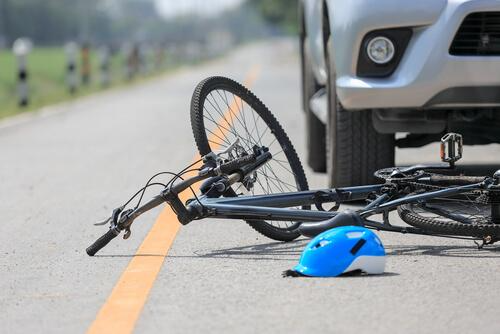
Accident Guidance Find Out What to Do Immediately After an a Car Accident in Arizona Silkman Law Firm · Phoenix, Arizona · Personal Injury Attorneys The first 10 minutes after a car accident can feel chaotic, but a simple sequence can help you make safer decisions. Your first responsibility is to protect people from further harm. After that, focus on emergency assistance, exchanging required information, preserving evidence, and documenting what you know without guessing about fault. What to Do During the First 10 Minutes After a Crash You do not need to solve your insurance claim at the scene. You do need to make sensible decisions that protect your health and safety. If someone is seriously injured, call 911. If your vehicle can be moved safely after a minor crash, Arizona transportation officials advise getting out of travel lanes rather than remaining in a dangerous traffic area. The checklist below is designed to be practical enough to remember under stress. 0–1 min · Stop & check for danger 1–2 min · Call 911 2–4 min · Get out of traffic danger 4–6 min · Exchange information 6–8 min · Photograph & document 8–10 min · Think about medical care Minute 0–1: Stop, Breathe, and Check for Immediate Danger Stop and assess the situation. Look for fire, leaking fluids, traffic approaching at speed, smoke, downed wires, or other hazards. Turn on hazard lights if appropriate. If you are on a busy roadway, remain alert to traffic rather than standing in a travel lane. Check yourself and passengers for obvious injuries. Do not move someone with a potentially serious injury unless remaining where they are creates a greater immediate danger. If there is an emergency, call 911 and follow the dispatcher's instructions. Do not begin arguing with the other driver. Shock and adrenaline can make people react emotionally. Keep your interaction focused on safety and necessary information. Minute 1–2: Call 911 When Appropriate Call 911 when someone is injured, the crash presents a danger, a driver appears impaired, or law enforcement or emergency medical assistance is needed. Give the dispatcher your location as accurately as possible, including the road, direction of travel, nearby intersections, mile markers, or recognizable landmarks. Tell responders what you know rather than trying to diagnose injuries yourself. If someone struck their head, lost consciousness, has severe pain, is bleeding heavily, has difficulty breathing, or shows other emergency symptoms, make that clear. Arizona law imposes specific duties after crashes involving injury or death. A.R.S. § 28-661 requires a driver involved in such a crash to stop and remain until the statutory information and assistance requirements have been met. Minute 2–4: Get Out of Immediate Traffic Danger if It Is Safe Arizona uses a "quick clearance" approach for certain minor crashes. The Arizona Department of Transportation advises motorists involved in a minor, non-injury freeway crash to move an operable vehicle to a shoulder or other safe location rather than remaining in travel lanes while taking photographs. Safety comes before getting the perfect photograph. Do not walk into active traffic to photograph a bumper, skid mark, or debris. If the vehicle cannot be moved safely, stay in a safer position and wait for responders. Once you are in a safer location, you can document the scene without placing yourself or others at unnecessary risk. Minute 4–6: Exchange Information A.R.S. § 28-663 requires drivers involved in qualifying crashes to provide identifying and vehicle information and to render reasonable assistance to an injured person when appropriate. Collect the other driver's name, address, driver's license information when requested or appropriate, registration or plate information, insurance information, and vehicle description. Photograph the other driver's insurance card, license plate, and relevant documents if it is safe to do so — don't rely only on it being read aloud. Record witness names and contact information. If the other driver refuses to provide information, appears impaired, becomes aggressive, or leaves, tell law enforcement. Do not chase a driver who leaves the scene. Minute 6–8: Photograph and Document What You Can Safely Take photographs from several distances. Start with wide images showing the roadway and position of vehicles, then capture vehicle damage, road signs, traffic signals, lane markings, debris, weather conditions, and visible injuries. Do not edit or filter original photographs. Keep the originals and back them up. If you have dashcam footage, preserve the file immediately so it is not overwritten. Write down your memory of the collision while the sequence is fresh. Include where you were traveling, traffic conditions, what you observed immediately before impact, and what happened afterward. Distinguish what you saw from what you assume. Minute 8–10: Think About Medical Care and the Next Few Hours Do not assume you are uninjured simply because you can walk, talk, or drive away. Some symptoms can take time to appear. The CDC notes that concussion symptoms may develop hours or days after a head injury and recommends medical evaluation for people who may have a mild traumatic brain injury. If you have symptoms, follow medical advice. If you were transported to an emergency department, keep the discharge paperwork and follow-up instructions. If symptoms develop later, contact a healthcare provider. Before the day is over, notify the appropriate insurance company according to your policy and preserve all accident-related records. If the collision caused significant injuries, consider consulting a personal injury attorney before accepting a settlement or signing a broad release. What Not to Do During Those First 10 Minutes Do not admit fault, even if you feel embarrassed or believe you may have contributed. You can provide factual information without making a legal conclusion. Do not post photographs or commentary about the crash on social media. A casual statement can be misunderstood or taken out of context. Do not negotiate a final settlement at the roadside. You may not yet know the extent of your injuries, future treatment needs, wage losses, or other damages. Do not fabricate or exaggerate symptoms. Arizona's Department of Insurance and Financial Institutions warns consumers that false or misleading information in an insurance transaction can constitute insurance fraud. The First 24 Hours Matter Too The first 10 minutes are only the beginning. Within the next day, gather the police or collision report information, save photographs, notify your insurer as required by your policy, schedule appropriate medical care, and start an accident file. Track medical appointments, prescriptions, transportation expenses, missed work, and communications with insurers. If your symptoms interfere with sleep, work, household tasks, driving, or childcare, note those effects. If you are contacted by the other driver's insurer, remember that the adjuster is investigating a claim. Be accurate and professional, but do not feel pressured to decide the entire value of your injury claim during an early phone call. When a 10-Minute Checklist Becomes a Personal Injury Case Not every crash requires an attorney. But serious injuries, disputed fault, multiple vehicles, commercial vehicles, uninsured or underinsured drivers, permanent impairment, or significant financial losses can make a claim more complicated. A personal injury attorney can investigate liability, organize medical evidence, evaluate insurance coverage, calculate damages, and negotiate with the insurer. If negotiations do not produce a fair result, the attorney can explain whether filing a lawsuit is appropriate. Silkman Law Firm focuses on personal injury representation and car accident claims in Arizona. The firm's approach includes investigating crashes, documenting injuries and losses, and dealing with insurers so injured clients can focus on recovery. Why the First Ten Minutes Can Affect the Next Ten Months The immediate aftermath of a crash can influence the information available later. A witness who leaves the scene may be difficult to locate. A damaged vehicle may be repaired before photographs are taken. Dashcam footage may be overwritten. Your own memory may become less precise as time passes. That is why the first 10 minutes are about preservation as much as paperwork. You do not need to become an accident investigator, but you should preserve what is reasonably available while avoiding unsafe behavior. If you cannot document something because you are injured, tell your attorney or another trusted person what happened as soon as possible. Your safety and medical needs take priority over evidence gathering. What to Record Once You Are Home Write down the basic sequence of events while your memory is fresh. Include the date, time, location, weather, traffic conditions, direction of travel, lane position, traffic signals, what you saw immediately before impact, where your vehicle was struck, and what happened afterward. Also record symptoms and treatment. Note when pain started, whether symptoms changed, which activities became difficult, and when you first sought medical care. Keep the notes factual rather than trying to write a legal argument. If you missed work or changed your normal routine, record those effects too. These details can become difficult to reconstruct months later. Special Considerations for Phoenix-Area Crashes Phoenix-area crashes can involve freeways, multilane arterial roads, intersections, construction zones, pedestrian crossings, and heavy traffic. The location and roadway design can matter when determining what happened. Do not assume that the driver who received a traffic citation automatically controls the entire civil case. A citation, police report, witness statement, and physical evidence can each provide useful information, but liability should be evaluated as a whole. If the crash occurred in Phoenix, Scottsdale, Tempe, Mesa, Chandler, Gilbert, Glendale, or another Valley community, preserve the exact location and direction of travel. That information can help investigators identify roadway evidence or potential witnesses. A Practical Timeline: From the Crash Scene to the Insurance Claim During the first day, focus on safety, medical evaluation, reporting, and preserving information. In the first several days, gather the collision report, insurance details, photographs, medical records, and employment information. Over the following weeks, continue treatment and keep a record of how the injury affects work and daily activities. The timeline matters because a personal injury claim is usually built from many smaller pieces of evidence rather than one document. The police report may describe the scene. Medical records may document symptoms and diagnoses. Employment records may establish wage loss. Photographs may show vehicle damage. Your own notes can explain day-to-day limitations. Do not throw away information simply because it seems repetitive. A series of records can demonstrate how symptoms changed over time and whether treatment was consistent with the injury. When You Should Ask for Help You can handle many routine post-crash tasks yourself. However, a consultation becomes particularly valuable when the accident involves serious injury, disputed fault, a commercial vehicle, multiple vehicles, an uninsured driver, substantial lost income, permanent impairment, or a large amount of medical treatment. An attorney can also help if the insurer asks you to sign documents you do not understand, requests a recorded statement, disputes your treatment, or makes an early settlement offer. A Final Checklist for Arizona Crash Victims Before considering the immediate aftermath complete, ask yourself: Is everyone safe, and has emergency help been called if needed? Has the vehicle been moved out of danger when safe? Did I exchange information and identify witnesses? Did I photograph the scene safely and preserve dashcam footage? Did I seek medical attention when appropriate? Did I notify insurance according to my policy and save the claim number and communications? If the answer to any of these is no, do not panic. Take the next reasonable step. The purpose of a checklist is to reduce preventable mistakes, not to make an injured person feel responsible for reconstructing an accident perfectly. The Goal Is an Informed Decision The purpose of these steps is not to turn every accident into a lawsuit. Many claims can be resolved through insurance negotiations. Others require more extensive investigation or litigation. The appropriate path depends on the facts. An informed decision is different from a rushed decision. You should understand the evidence, the injuries, the insurance coverage, the damages, and the potential consequences of signing a settlement before deciding how to proceed. Silkman Law Firm focuses on personal injury representation and provides consultations for people who have been injured in accidents. Alex Silkman and the firm's team can review the circumstances, explain the legal issues that may apply, and discuss whether representation makes sense. Key Takeaway In the first 10 minutes after a crash, prioritize safety and emergency care, then document what you safely can. The decisions you make afterward can help protect your health and preserve important evidence. Remember the sequence: safety → 911 when appropriate → move out of danger if safe → exchange information → document → medical care → insurance notification → legal guidance when needed. Frequently Asked Questions What should I do first after a car accident in Arizona? Check for immediate danger and injuries, call 911 when appropriate, and move an operable vehicle out of travel lanes when it is safe to do so. Should I take pictures immediately? Only after you are in a safe location. Do not enter traffic or delay emergency care just to photograph the scene. Do I have to exchange information after a crash? Arizona law requires drivers in qualifying crashes to provide specified information and render reasonable assistance to injured people. What if I feel fine after the crash? Continue monitoring yourself. Some injuries, including concussion symptoms, may become noticeable later. Seek medical care if symptoms develop. Should I call a lawyer in the first 10 minutes? Emergency care and safety come first. Once immediate needs are addressed, legal advice can be useful if the crash caused significant injuries or presents disputed liability. Authoritative Sources A.R.S. § 28-661 — crashes involving injury or death A.R.S. § 28-663 — duty to provide information and assistance ADOT — Minor Crash / Quick Clearance Arizona DIFI — Automobile Insurance Arizona DPS — Citizen's Report of a Collision CDC — What to Do After a Mild TBI or Concussion CDC — Symptoms of Mild TBI and Concussion Related reading: Phoenix Car Accident Claims Guide · About Alex Silkman Need Help With an Arizona Personal Injury Claim? If you were injured in an Arizona accident and have questions about your rights, insurance claim, medical expenses, or potential compensation, Silkman Law Firm can review the circumstances of your case and explain your legal options. Contact Us Today Silkman Law Firm · Phoenix, Arizona · (602) 535-5899 This article is provided for general informational purposes only and does not constitute legal advice. Reading this article does not create an attorney-client relationship with Silkman Law Firm. Every accident and claim is different — contact Silkman Law Firm directly to discuss the specifics of your situation. Attorney Advertising.