
Blog / Wrongful Death

Getting Legal Help After a Wrongful Death

Legal help after wrongful death

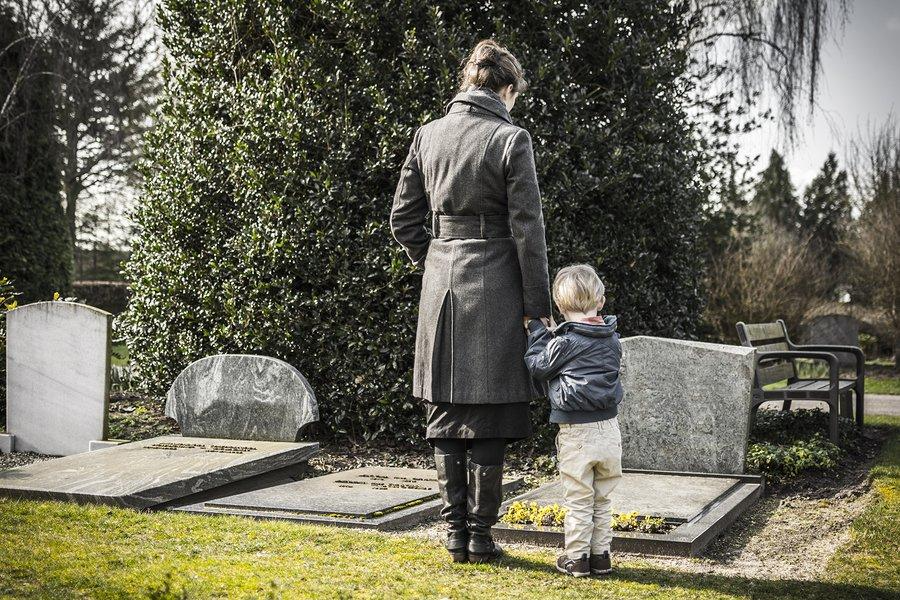
The news of a loved one passing is devastating. Discovering that their death could have been prevented– crushing. When a family uncovers the evidence of their loved one’s wrongful death, they are often flooded with emotions: heartache, anger, confusion, and helplessness. The end of a life often rings as a sealed and shut door. But justice does not stop at death.

How Wrongful Death Cases Work

When a person dies or is killed (including murder) because of someone else’s negligence, the victim’s surviving family members may sue for wrongful death. A suit for wrongful death may only be brought by the personal representative of the decedent’s estate. The family member(s) will then sue for the suffering monetary injury.

What Must Be Present in a Wrongful Death Lawsuit

  • Evidence of the death. Unlike most criminal trials, wrongful death suits require a lower standard of proof.
  • Evidence of perpetrator’s negligence, misconduct, or intent to harm.
  • Evidence of the surviving family members’ monetary suffering due to the victim’s death.
  • A personal representative for the decedent’s estate.

Money Doesn’t Make Up for Death

There’s a false belief that the money won from a wrongful death suit is used to just comfort the family. This simply isn’t true. The money won can help surviving family members with the following (not limited to):

Paying the Victim’s Hospital Bills

Never underestimate how high hospital bills can run. A few years back, it was reported that someone was charged a $93,000 bill for a false alarm heart attack. The last thing a victim’s family should have to do is pay the bill for a wrongful death.

Making Up for Loss of Income

An example of that would be the money going towards a now-widowed mother providing for her children. During this sensitive time, families need to focus on grieving, not survival.

Therapy Sessions

Neurologists and experts alike are still baffled by how little we understand of the human brain. Bills should never get in the way of someone seeking mental health help, especially after the traumatic death of a loved one. Has someone you know lost a loved one due to a wrongful death? At Silkman Law Firm Injury & Accident Lawyer, we understand your pain and want to do what we can to help you heal. Contact us today.

Posted in:

Related Posts

Proving a wrongful death case

How Do You Prove Wrongful Death?

Contact Us Today Proving that someone else’s careless or intentional actions caused the death of a loved one is not always easy. Although your family may be owed compensation for your tragic loss, you will need to prove your wrongful death case in court or to an insurer. You could benefit from having an experienced attorney gather the evidence you need and turn it into a compelling argument on your behalf. At Silkman Law Firm Injury & Accident Lawyer, our legal team wants you to understand what it takes to build a strong case that offers you the best chance of helping you recover what you deserve. 4 Elements of a Wrongful Death Lawsuit Most wrongful death claims require you to prove the at-fault party’s negligence with the following four elements: Duty of care – A duty of care establishes that one person has a legal obligation to another, typically to prevent them from being hurt. For example, drivers owe everyone on the road a duty of care to avoid causing an accident. They must obey traffic laws and operate their vehicles with care. A duty of care is generally determined by what a hypothetical “reasonable person” would do in the same situation. Breach of duty of care – Once you’ve established that another party owed your loved one a duty of care, you must prove they violated that duty. If a driver got behind the wheel while drunk and caused a fatal accident, they breached their duty to operate their vehicle safely. Causation – It’s not enough to prove that a careless individual breached their duty of care. You must also establish that the breach directly caused your loved one’s death. Damages – You must establish that losing your loved one has caused measurable losses for which you can be compensated. These losses can be financial, as with medical expenses and lost income. But they can also be personal, such as lost affection and the emotional trauma you experienced because of your loved one’s death. What Is the Burden of Proof? If you file a wrongful death lawsuit, the burden of proof rests on your shoulders. This means that the other party is not assumed liable for your loved one’s death unless you can establish the four elements of negligence. You accomplish this by presenting enough evidence that suggests it is more likely than not that the at-fault individual caused your loved one’s death. How a Lawyer Can Help Prove Wrongful Death The compensation you can potentially recover from a wrongful death lawsuit is no replacement for the love and support of a cherished family member. However, it can provide you with financial security and justice for your loss during a challenging time. If you’ve lost a loved one in an accident, talk to an experienced Phoenix wrongful death attorney at Silkman Law Firm Injury & Accident Lawyer today. We offer free, no-obligation consultations and look forward to hearing from you.

Wrongful Death Case

Wrongful Death Case: What You Should Know

Contact Us Today The story starts off like any other day. A family member is taken to the hospital for a routine procedure, the kind that occurs hundreds of times a day at medical facilities around the globe. But this time is different. This time, it’s not so routine. This time, your loved one doesn’t come home. What was supposed to be a simple procedure has turned into a nightmare. You now have a wrongful death suit on your hands. What Defines Wrongful Death A wrongful death claim is a civil suit against a person who can be held liable for the death of another person due to negligence. The standard of proof in such a case is a “preponderance of evidence” rather than “beyond a reasonable doubt” needed in a criminal case. However, a criminal suit may be pursued in addition to the wrongful death case, and that fall under the title of murder, manslaughter, or criminally negligent homicide. When a company is liable for the death, criminal charges cannot be filed, so a wrongful death is the only course of action. Aspects of a Wrongful Death Suit If you believe a loved one has been the victim of a wrongful death, there are steps to take to ensure you are able to move forward with a lawsuit, should it be warranted. You definitely want to contact a skilled personal injury attorney as soon as feasible so that you can receive appropriate counsel. Only people who have a relationship to the deceased are able to bring a suit. These include: the personal representative of the deceased estate, surviving spouses, children, or the parents of the deceased. In the case of a wrongful death suit, the amount of damages sought can include both economic and non-economic, such as medical and funeral expenses, loss of expected earnings, loss of benefits, loss of inheritance, mental anguish, and loss of love and care. In Arizona, a wrongful death case must be filed within two years of the date of the person’s death. In essence, this is a personal injury case that has gone beyond injury, so a personal injury attorney is the appropriate choice to litigate in such an instance. How to Know Who Is Liable The hospital can be held liable if the negligence is caused by an employee of the hospital, but this doesn’t follow when the attending physician, for example, is an independent contractor and not employed by the institution. In that case, while the hospital may not be included in the suit, the doctor can still be held liable. If both could be considered at fault, the strategy will determine if your suit will include both the medical professional and hospital. In the case of a nurse being negligent, consider some of the most common errors made by nursing staff: Failure to monitor a patient properly Failure to properly chart the patient’s progress and symptoms Administering the wrong type of medication, the wrong amount of medication, or giving it at the wrong time Failure to report symptoms or patient complaints to the doctor in charge Hospitals can be negligent in a number of ways, including: Failing to confirm that staff is trained and licensed as required by law Failing to remove incompetent staff Failing to implement proper procedures for safety and cleanliness Understaffing the facility, leading to improper or inconsistent care Don’t Go It Alone If you feel your loved one was the victim of a wrongful death at the hands of a medical professional, you deserve to be compensated for your loss. Trust the Phoenix personal injury attorneys at Silkman Law Firm Injury & Accident Lawyer to provide you with sound advice and advocacy during your time of grief. Contact us or call today at 602.535.5899 for your free case review.

Who Can Bring a Wrongful Death Claim in Arizona?

Losing a loved one is alway hard, and if it's happened unexpectedly due to another person's actions here in Phoenix, AZ, you may have standing to bring a wrongful death claim. The best thing to do is to speak with a wrongful death attorney right away to find out more about the path forward for your family. Who Can Bring a Wrongful Death Claim in Phoenix, AZ? The key statute in this matter is A.R.S. § 12-612, which allows surviving spouses, children, parents or guardians, or the personal representative of the deceased's estate to bring a wrongful death action. Whoever brings the action, the resulting compensation in a successful claim goes to the surviving family or, if there are none, to the estate of the deceased. Immediate family members have priority in these claims, and only one lawsuit can be filed for a given death, which means the chosen plaintiff is acting for the benefit of all the qualifying survivors.  When the personal representative of the estate brings the action, that's usually because there are no surviving spouse, children, or parents. In that situation, the recovery becomes an asset of the estate itself. However, in some cases, the grief of the loss may be too great for the family to deal with a wrongful death claim, and they may prefer to have the administrator of the estate bring the action on their behalf. Qualifying to File Not every relative has automatic standing. Siblings, for example, generally cannot bring the claim unless they have been appointed as the personal representative of the estate and no closer family members exist or wish to bring an action. The same holds for more distant relatives or for unmarried partners. You must be a legal spouse to be able to file. If a person who would otherwise qualify has been convicted of certain serious crimes related to the death of the decedent, they are disqualified from recovering. The law treats them as having predeceased the victim in that context, meaning that the rest of the family can still recover but they will be cut out. Time Limits and Practical Steps Under Arizona law, you need to start your claim within two years of the moment of your loved one's death. If you don't act within this window, that usually means the claim is lost forever no matter how strong the facts are. Families in these situations are well advised to reach out to a lawyer quickly to find out whether they have a claim and what to do next. The earlier you act, the easier it often is to get evidence, as well. Talk to a Wrongful Death Attorney Today If you or someone in your family may qualify to bring a wrongful death claim, contact the Silkman Law Firm here in Phoenix for a free consultation. We can review the details with you, confirm your eligibility to bring a claim, and support you at every step. Call us today at 602-517-0242 to talk through your situation.