Blog / Personal Injury Law

Tips for Safe Travel on Valley Metro Bus

Riding a Valley Metro bus is a great way to travel the greater Phoenix area without having to spend money on gas or sit in traffic jams in your own vehicle. Listen to music or podcasts, read a book or magazine, or get caught up on social media as you travel to your destination. Sounds simple and pleasant but what happens when your Valley Metro bus experience hits a bump in the road? If you or a loved one have been involved in an bus accident injury with a Valley Metro bus, it’s important to seek legal advice immediately. An accident injury involving a bus is complicated at best because you are potentially dealing with a municipality, bus owner, bus driver, insurance companies, and witness accounts of the incident. While you can’t control what others do, you can practice safe travel on your next bus ride with these tips:

  • Avoid playing chicken with a bus. Sounds obvious but if you’re late for work or an appointment, you may try to flag down the bus or step near it in an effort to stop the bus. This can cause the bus driver, other drivers, and pedestrians to get distracted, causing an accident.
  • Use a crosswalk and obey traffic signals. You can’t control what other drivers do but you can control where you’re crossing the street.
  • Be visible and step away from the curb. Buses are heavier than a car, especially when filled with riders. An inexperienced or distracted driver can catch a curb, making it unsafe to be too close to the road. Take a step back; the bus will stop for you.
  • If you drop something as you’re exiting the bus, leave it on the ground until the bus passes. Bending over to pick it up could put you a little closer to the bus than you want to be, causing injuries or worse.
  • Be courteous to the driver and other passengers. A scuffle on the bus can distract the driver and cause an accident. Not to mention it’s just better to be nice to each other. Avoid altercations as best you can.

We can’t always avoid an bus accident injury. Other drivers, pedestrians, weather, and the bus driver can each be part of the cause of an accident. If you or a loved one was involved in a Valley Metro bus accident, contact us at the Silkman Law Firm Injury & Accident Lawyer or call 602-535-5899 for a free case review to be sure you’re being properly compensated.

Posted in:

Related Posts

Arizona Personal Injury Laws You Should Know After an Accident

Navigating the aftermath of an accident can be daunting, especially when it comes to understanding your legal rights and obligations. If you've been injured in an accident in Phoenix, AZ, it's crucial to be aware of the personal injury laws that may affect your case. At Silkman Law Firm, we're committed to providing you with the essential information you need to make informed decisions about your legal options. Understanding Arizona's Statute of Limitations The statute of limitations is a crucial aspect of personal injury law that sets a deadline for filing a lawsuit. In Arizona, the standard time limit to file a personal injury lawsuit is two years from the date of the injury, as stipulated in Arizona Revised Statutes § 12-542. However, there are exceptions: Minors: If the victim is under 18, the two-year period begins once they turn 18. Hidden Injuries: The clock starts ticking when the injury is discovered. Defendant's Absence: If the responsible party leaves Arizona, the deadline may be paused. Failing to file within this period can result in losing your right to seek compensation, underscoring the importance of timely legal action. The Principle of Comparative Negligence Arizona follows a "pure comparative negligence" model under A.R.S. § 12-2505. This means that even if you are partly at fault for your injuries, you can still recover damages. However, your compensation will be reduced by your percentage of fault. For example, if you are found to be 20% at fault, your compensation will be reduced by 20%. Understanding this principle is vital, as it can significantly impact your settlement or court award. Are There Damage Caps in Arizona? Unlike many states, Arizona does not impose caps on damages in personal injury cases, thanks to Article 2, Section 31 of the Arizona Constitution. This ensures that victims can recover full compensation for their losses, whether they are economic, such as medical bills and lost wages, or non-economic, like pain and suffering. Reporting Requirements After an Accident After an accident, you must report it if there are injuries, fatalities, or significant property damage. According to ARS 28-667, drivers must exchange information and, if necessary, file a written report with the Arizona Department of Transportation. Timely reporting is critical to ensure compliance with state laws and safeguard your legal rights. The Role of Negligence in Personal Injury Claims Negligence is a cornerstone of personal injury law. To succeed in a claim, you must prove that the other party failed to exercise reasonable care, leading to your injuries. This involves demonstrating the following elements: Duty of Care: The defendant owed you a duty to act safely. Breach of Duty: They failed to uphold that duty. Causation: Their breach caused your injuries. Damages: You suffered losses as a result. Understanding these elements can help you build a strong case and potentially maximize your compensation. Seeking Legal Assistance Navigating personal injury laws can be complex, but you don't have to do it alone. The team at Silkman Law Firm is here to guide you through every step of the process, from filing claims to negotiating settlements. We understand the nuances of Arizona's personal injury laws and are dedicated to protecting your rights. If you need assistance with a personal injury claim, don't hesitate to reach out to Silkman Law Firm for a free consultation. Let us help you understand your legal options and work towards the compensation you deserve.

Learn who can be held liable after a truck accident in Arizona, including drivers, trucking companies, and more. Find out why these cases are complex.

Who Can Be Held Liable After a Truck Accident in Arizona?

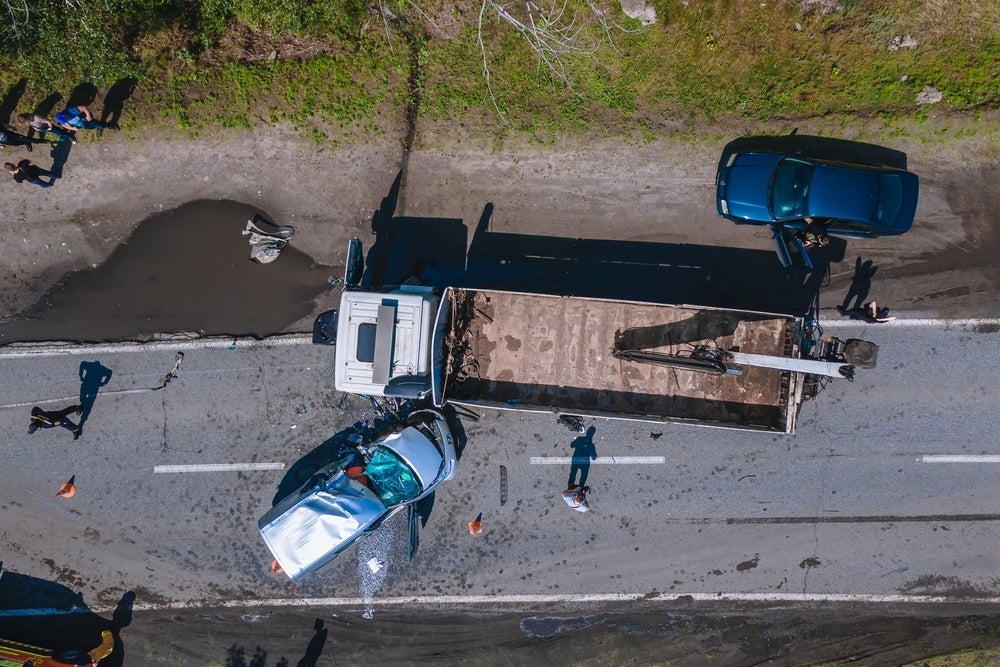
Truck accidents are rarely simple. Unlike a typical car crash, a truck accident often involves multiple parties, layers of insurance, and federal safety regulations. Determining who is legally responsible is one of the most important steps in recovering compensation, and it is also where many victims get stuck. If you or a loved one was injured in a truck accident in Arizona, understanding who may be held liable can help you see why these cases require immediate legal attention. Why Truck Accident Liability Is More Complicated Commercial trucks are larger, heavier, and subject to strict safety rules. When something goes wrong, responsibility does not always fall on just the driver. In many cases, liability extends to companies that profit from putting trucks on the road. Insurance carriers know this and often work quickly to shift blame, limit payouts, or protect corporate interests. Identifying all responsible parties early is critical. The Truck Driver The truck driver may be liable if their actions caused or contributed to the crash. Common examples include: Speeding or driving too fast for conditions Distracted driving, including phone use or GPS adjustments Fatigued driving due to long shifts or hours of service violations Driving under the influence of drugs or alcohol Aggressive driving or unsafe lane changes Even if the driver was an employee following company instructions, they can still be named in a personal injury claim. The Trucking Company In many Arizona truck accident cases, the trucking company is one of the primary liable parties. Companies can be held responsible for: Hiring unqualified or poorly trained drivers Encouraging drivers to violate federal safety rules Failing to monitor hours of service logs Poor vehicle maintenance practices Ignoring safety complaints or prior violations Trucking companies often carry large insurance policies, which is why their insurers fight aggressively to reduce exposure. The Cargo Loading Company Improperly loaded cargo is a major cause of serious truck accidents. A separate cargo company may be liable if: Cargo was overloaded Loads were unbalanced Freight was not properly secured Hazardous materials were handled incorrectly Shifting or falling cargo can cause rollovers, jackknife accidents, or catastrophic roadway hazards. The Truck or Parts Manufacturer Some truck accidents are caused by mechanical failure rather than driver error. Manufacturers may be held responsible if a defective part contributed to the crash, including: Brake failures Tire blowouts Steering or suspension defects Faulty coupling devices Defective lighting or visibility equipment These cases often involve product liability claims and require technical investigation. Maintenance and Repair Companies If a third party was responsible for inspecting or repairing the truck, that company may share liability. This includes situations where: Required inspections were skipped Repairs were performed incorrectly Worn parts were not replaced Safety defects were ignored Maintenance records often play a key role in proving negligence. Government Entities in Rare Cases In limited situations, a government agency may be liable if dangerous road conditions contributed to the accident, such as: Poor road design Missing signage Unaddressed hazards Inadequate road maintenance Claims involving government entities follow strict deadlines and notice requirements in Arizona, making early legal action essential. Can More Than One Party Be Liable? Yes. In fact, many truck accident cases involve multiple liable parties. Arizona follows a comparative fault system, meaning responsibility can be shared across several defendants. This is why early investigation matters. If one party is missed, you could lose access to a critical source of compensation. Why Identifying Liability Quickly Matters Truck accident evidence can disappear fast. Black box data, driver logs, maintenance records, and onboard camera footage may be lost or overwritten within weeks. Insurance companies begin building their defense immediately. Waiting too long can limit your options and weaken your claim. What Compensation May Be Available When all responsible parties are identified, compensation may include: Medical expenses and future treatment Lost income and reduced earning capacity Pain and suffering Long-term disability or disfigurement Wrongful death damages for surviving family members The value of a truck accident case often depends on uncovering the full scope of liability. When to Speak With a Truck Accident Lawyer in Arizona If a commercial truck was involved in your accident, it is never just a routine crash. These cases require experience with federal trucking regulations, corporate insurance strategies, and high-stakes litigation. Speaking with a truck accident lawyer as soon as possible helps protect your rights, preserve evidence, and identify every party that may be held accountable. Contact Silkman Law Firm today!

Long-Term Financial Implications of Personal Injuries

The Long-Term Financial Implications of Personal Injuries

Contact Us Today A sudden injury is a painful, even overwhelming experience. In the moment, it’s hard to think about anything else. Yet, for many accident victims, this initial shock and distress are only the beginning. The real challenge often begins once the dust settles and the longer-term implications start to manifest. These can range from mounting medical bills and lost wages to the need for ongoing rehabilitation and the potential for permanent disability. Here’s what you can expect — and how personal injury attorneys in Phoenix, like us at Silkman Law Firm, can help you face the future with optimism and dignity. Medical Expenses Beyond Initial Treatment For many serious injuries, emergency care is only the first of many medical expenses, and many victims struggle to pay their health insurance premiums after a car accident, truck accident, or other type of catastrophic accident. Victims of severe accidents often require a comprehensive and long-term treatment plan that involves future medical care, including the following: Surgeries – Many injuries necessitate multiple surgeries, both immediate and reconstructive, which can run into the tens of thousands of dollars or more. These surgeries often involve pre-operative and post-operative care, specialized equipment, and extended hospital stays. Medications – Prescription medications are a critical part of recovery, helping to manage pain, prevent infections, and facilitate healing processes. The cost of prescription drugs can vary widely depending on the type and duration of medication required. Rehabilitation – Physical therapy is crucial for restoring function and mobility after an injury. Permanent injuries like spinal cord injuries (SCIs) and other physical disabilities may require a lifetime of rehab treatment and other forms on ongoing medical care. Occupational and Behavioral Therapy – Certain injuries can be life-altering, requiring a patient to undergo occupational therapy to relearn daily tasks or modify their living and working environments. Behavioral therapy can help manage the psychological repercussions of trauma and the stress of recovery. Lost Wages and Reduced Earning Capacity Severe injuries and lingering impairment can affect a patient’s ability to work, which can compound the cost of medical expenses. The immediate loss of income while recovering is just one aspect, as long-term disability can alter the course of an accident victim’s career trajectory. This form of financial impact comes in two general types: Lost wages encompass the immediate income lost due to time spent away from work for recovery and medical treatment. For many, this can mean weeks or even months without a paycheck, during which time bills and everyday expenses continue to accumulate. Reduced earning capacity arises from severe injuries that permanently affect an individual’s ability to perform their job at the same capacity as before, or even to work at all. This can mean a forced shift to a less demanding, lower-paying role or the inability to work full-time, dramatically altering their long-term financial outlook and career advancement opportunities. Costs of Home Modifications and Assistive Devices Injuries that limit mobility or functionality might necessitate modifications to one’s living environment and the use of assistive devices to manage daily activities. These adjustments and tools are essential for maintaining independence but can be costly. Common home modifications include the following: Installation of ramps for wheelchair access Widening of doorways to accommodate mobility aids Modification of bathrooms with grab bars and walk-in tubs or showers to enhance safety and accessibility Addition of stairlifts or home elevators for multi-story homes Long-term disability may also require assistive devices, such as: Wheelchairs, both manual and electric Prosthetic limbs and orthotic devices Hearing aids and specialized communication devices Smart home devices designed to assist with everyday tasks, like voice-activated systems or customized control panels Specialized vehicle enhancements to make them operable given the driver’s impairment Emotional and Psychological Costs While many of the costs associated with an accident are personal rather than financial in nature, treating and adapting to them often has an economic impact. The trauma of an accident and the subsequent recovery process can take a toll on one’s mental health, potentially necessitating professional intervention and support for the following: Emotional Distress – The initial trauma of the accident, coupled with the stress of physical recovery, can lead to feelings of frustration, anger, and sadness. Anxiety and Depression – Ongoing pain and suffering, lifestyle changes, and financial worries contribute to anxiety and depression, which can become debilitating without proper treatment. Post-Traumatic Stress Disorder (PTSD) – Those who survive traumatic experiences like severe accidents often develop PTSD, which involves prolonged psychological distress following an emotionally overwhelming event. Symptoms may include flashbacks, severe anxiety, and uncontrollable thoughts about the event. Loss of Enjoyment of Life – Injuries can prevent a person from participating in activities they once enjoyed, making it harder for them to enjoy their life as they once did. The emotional and psychological impacts of an injury may necessitate therapy, counseling, and prescription, increasing the cost of an injury over time. Legal Fees and Settlement Considerations Personal injury law allows those who have been injured due to the legal fault of others to seek compensation from those at-fault parties. If you’re asking yourself, “Do I Need a Personal Injury Attorney?,” you are probably concerned about legal costs. Crucially, most personal injury attorneys in Phoenix work on a contingency fee basis, meaning they do not charge upfront for their services. Instead, they receive a percentage of the settlement or judgment. Not only does this alleviate the costs of pursuing fair compensation, but because the attorney earns more when their client recovers more money, it aligns their interests with one another. As you meet with attorneys to recover compensation, be sure to ask about other legal fees they may charge, such as filing fees and the costs of securing expert witnesses. There are also settlement considerations to bear in mind. Most successful personal injury claims settle out of court, meaning the at-fault party agrees to pay a certain amount of money in exchange for the injured party dropping future claims for compensation. The process of negotiating a settlement can be complex and drawn out. It involves calculating past and ongoing expenses, projecting future costs, and negotiating back and forth with at-fault parties and their insurance representatives. Once the two sides reach an agreement, they must determine how the settlement will be paid out — either as a lump sum or through a structured settlement providing regular payments over time. While a lump sum is typically preferable for the injured party because of the greater flexibility it provides, insurance companies often prefer structured settlements that allow them to defray the cost over time. Contact Our Phoenix Personal Injury Lawyer for Help Are you suffering in the aftermath of an injury someone else caused? Are you worried about the long-term financial implications and wondering how to choose a personal injury attorney in Phoenix? Don’t wait another moment. Contact Silkman Law Firm right away and let us seek the money you need for your future well-being, all at no upfront cost to you. About the Author Alex Silkman is the founder and managing member of Silkman Law Firm Injury & Accident Lawyer. A Personal Injury Lawyer in Phoenix AZ, he focuses exclusively on personal injury, motorcycle accidents, truck accidents, and wrongful death cases, with the goal of getting truly just results for accident victims and their families. Past personal injury cases have included $2.4 million dollars awarded in a wrongful death motorcycle crash, $2.2 million in a malpractice settlement, and a $450,000 award from a car crash resulting in a thoracic vertebrae compression fracture and a fractured clavicle.