
Accident Guidance Find Out What to Do Immediately After an a Car Accident in Arizona Silkman Law Firm · Phoenix, Arizona · Personal Injury Attorneys The first 10 minutes after a car accident can feel chaotic, but a simple sequence can help you make safer decisions. Your first responsibility is to protect people from further harm. After that, focus on emergency assistance, exchanging required information, preserving evidence, and documenting what you know without guessing about fault. What to Do During the First 10 Minutes After a Crash You do not need to solve your insurance claim at the scene. You do need to make sensible decisions that protect your health and safety. If someone is seriously injured, call 911. If your vehicle can be moved safely after a minor crash, Arizona transportation officials advise getting out of travel lanes rather than remaining in a dangerous traffic area. The checklist below is designed to be practical enough to remember under stress. 0–1 min · Stop & check for danger 1–2 min · Call 911 2–4 min · Get out of traffic danger 4–6 min · Exchange information 6–8 min · Photograph & document 8–10 min · Think about medical care Minute 0–1: Stop, Breathe, and Check for Immediate Danger Stop and assess the situation. Look for fire, leaking fluids, traffic approaching at speed, smoke, downed wires, or other hazards. Turn on hazard lights if appropriate. If you are on a busy roadway, remain alert to traffic rather than standing in a travel lane. Check yourself and passengers for obvious injuries. Do not move someone with a potentially serious injury unless remaining where they are creates a greater immediate danger. If there is an emergency, call 911 and follow the dispatcher's instructions. Do not begin arguing with the other driver. Shock and adrenaline can make people react emotionally. Keep your interaction focused on safety and necessary information. Minute 1–2: Call 911 When Appropriate Call 911 when someone is injured, the crash presents a danger, a driver appears impaired, or law enforcement or emergency medical assistance is needed. Give the dispatcher your location as accurately as possible, including the road, direction of travel, nearby intersections, mile markers, or recognizable landmarks. Tell responders what you know rather than trying to diagnose injuries yourself. If someone struck their head, lost consciousness, has severe pain, is bleeding heavily, has difficulty breathing, or shows other emergency symptoms, make that clear. Arizona law imposes specific duties after crashes involving injury or death. A.R.S. § 28-661 requires a driver involved in such a crash to stop and remain until the statutory information and assistance requirements have been met. Minute 2–4: Get Out of Immediate Traffic Danger if It Is Safe Arizona uses a "quick clearance" approach for certain minor crashes. The Arizona Department of Transportation advises motorists involved in a minor, non-injury freeway crash to move an operable vehicle to a shoulder or other safe location rather than remaining in travel lanes while taking photographs. Safety comes before getting the perfect photograph. Do not walk into active traffic to photograph a bumper, skid mark, or debris. If the vehicle cannot be moved safely, stay in a safer position and wait for responders. Once you are in a safer location, you can document the scene without placing yourself or others at unnecessary risk. Minute 4–6: Exchange Information A.R.S. § 28-663 requires drivers involved in qualifying crashes to provide identifying and vehicle information and to render reasonable assistance to an injured person when appropriate. Collect the other driver's name, address, driver's license information when requested or appropriate, registration or plate information, insurance information, and vehicle description. Photograph the other driver's insurance card, license plate, and relevant documents if it is safe to do so — don't rely only on it being read aloud. Record witness names and contact information. If the other driver refuses to provide information, appears impaired, becomes aggressive, or leaves, tell law enforcement. Do not chase a driver who leaves the scene. Minute 6–8: Photograph and Document What You Can Safely Take photographs from several distances. Start with wide images showing the roadway and position of vehicles, then capture vehicle damage, road signs, traffic signals, lane markings, debris, weather conditions, and visible injuries. Do not edit or filter original photographs. Keep the originals and back them up. If you have dashcam footage, preserve the file immediately so it is not overwritten. Write down your memory of the collision while the sequence is fresh. Include where you were traveling, traffic conditions, what you observed immediately before impact, and what happened afterward. Distinguish what you saw from what you assume. Minute 8–10: Think About Medical Care and the Next Few Hours Do not assume you are uninjured simply because you can walk, talk, or drive away. Some symptoms can take time to appear. The CDC notes that concussion symptoms may develop hours or days after a head injury and recommends medical evaluation for people who may have a mild traumatic brain injury. If you have symptoms, follow medical advice. If you were transported to an emergency department, keep the discharge paperwork and follow-up instructions. If symptoms develop later, contact a healthcare provider. Before the day is over, notify the appropriate insurance company according to your policy and preserve all accident-related records. If the collision caused significant injuries, consider consulting a personal injury attorney before accepting a settlement or signing a broad release. What Not to Do During Those First 10 Minutes Do not admit fault, even if you feel embarrassed or believe you may have contributed. You can provide factual information without making a legal conclusion. Do not post photographs or commentary about the crash on social media. A casual statement can be misunderstood or taken out of context. Do not negotiate a final settlement at the roadside. You may not yet know the extent of your injuries, future treatment needs, wage losses, or other damages. Do not fabricate or exaggerate symptoms. Arizona's Department of Insurance and Financial Institutions warns consumers that false or misleading information in an insurance transaction can constitute insurance fraud. The First 24 Hours Matter Too The first 10 minutes are only the beginning. Within the next day, gather the police or collision report information, save photographs, notify your insurer as required by your policy, schedule appropriate medical care, and start an accident file. Track medical appointments, prescriptions, transportation expenses, missed work, and communications with insurers. If your symptoms interfere with sleep, work, household tasks, driving, or childcare, note those effects. If you are contacted by the other driver's insurer, remember that the adjuster is investigating a claim. Be accurate and professional, but do not feel pressured to decide the entire value of your injury claim during an early phone call. When a 10-Minute Checklist Becomes a Personal Injury Case Not every crash requires an attorney. But serious injuries, disputed fault, multiple vehicles, commercial vehicles, uninsured or underinsured drivers, permanent impairment, or significant financial losses can make a claim more complicated. A personal injury attorney can investigate liability, organize medical evidence, evaluate insurance coverage, calculate damages, and negotiate with the insurer. If negotiations do not produce a fair result, the attorney can explain whether filing a lawsuit is appropriate. Silkman Law Firm focuses on personal injury representation and car accident claims in Arizona. The firm's approach includes investigating crashes, documenting injuries and losses, and dealing with insurers so injured clients can focus on recovery. Why the First Ten Minutes Can Affect the Next Ten Months The immediate aftermath of a crash can influence the information available later. A witness who leaves the scene may be difficult to locate. A damaged vehicle may be repaired before photographs are taken. Dashcam footage may be overwritten. Your own memory may become less precise as time passes. That is why the first 10 minutes are about preservation as much as paperwork. You do not need to become an accident investigator, but you should preserve what is reasonably available while avoiding unsafe behavior. If you cannot document something because you are injured, tell your attorney or another trusted person what happened as soon as possible. Your safety and medical needs take priority over evidence gathering. What to Record Once You Are Home Write down the basic sequence of events while your memory is fresh. Include the date, time, location, weather, traffic conditions, direction of travel, lane position, traffic signals, what you saw immediately before impact, where your vehicle was struck, and what happened afterward. Also record symptoms and treatment. Note when pain started, whether symptoms changed, which activities became difficult, and when you first sought medical care. Keep the notes factual rather than trying to write a legal argument. If you missed work or changed your normal routine, record those effects too. These details can become difficult to reconstruct months later. Special Considerations for Phoenix-Area Crashes Phoenix-area crashes can involve freeways, multilane arterial roads, intersections, construction zones, pedestrian crossings, and heavy traffic. The location and roadway design can matter when determining what happened. Do not assume that the driver who received a traffic citation automatically controls the entire civil case. A citation, police report, witness statement, and physical evidence can each provide useful information, but liability should be evaluated as a whole. If the crash occurred in Phoenix, Scottsdale, Tempe, Mesa, Chandler, Gilbert, Glendale, or another Valley community, preserve the exact location and direction of travel. That information can help investigators identify roadway evidence or potential witnesses. A Practical Timeline: From the Crash Scene to the Insurance Claim During the first day, focus on safety, medical evaluation, reporting, and preserving information. In the first several days, gather the collision report, insurance details, photographs, medical records, and employment information. Over the following weeks, continue treatment and keep a record of how the injury affects work and daily activities. The timeline matters because a personal injury claim is usually built from many smaller pieces of evidence rather than one document. The police report may describe the scene. Medical records may document symptoms and diagnoses. Employment records may establish wage loss. Photographs may show vehicle damage. Your own notes can explain day-to-day limitations. Do not throw away information simply because it seems repetitive. A series of records can demonstrate how symptoms changed over time and whether treatment was consistent with the injury. When You Should Ask for Help You can handle many routine post-crash tasks yourself. However, a consultation becomes particularly valuable when the accident involves serious injury, disputed fault, a commercial vehicle, multiple vehicles, an uninsured driver, substantial lost income, permanent impairment, or a large amount of medical treatment. An attorney can also help if the insurer asks you to sign documents you do not understand, requests a recorded statement, disputes your treatment, or makes an early settlement offer. A Final Checklist for Arizona Crash Victims Before considering the immediate aftermath complete, ask yourself: Is everyone safe, and has emergency help been called if needed? Has the vehicle been moved out of danger when safe? Did I exchange information and identify witnesses? Did I photograph the scene safely and preserve dashcam footage? Did I seek medical attention when appropriate? Did I notify insurance according to my policy and save the claim number and communications? If the answer to any of these is no, do not panic. Take the next reasonable step. The purpose of a checklist is to reduce preventable mistakes, not to make an injured person feel responsible for reconstructing an accident perfectly. The Goal Is an Informed Decision The purpose of these steps is not to turn every accident into a lawsuit. Many claims can be resolved through insurance negotiations. Others require more extensive investigation or litigation. The appropriate path depends on the facts. An informed decision is different from a rushed decision. You should understand the evidence, the injuries, the insurance coverage, the damages, and the potential consequences of signing a settlement before deciding how to proceed. Silkman Law Firm focuses on personal injury representation and provides consultations for people who have been injured in accidents. Alex Silkman and the firm's team can review the circumstances, explain the legal issues that may apply, and discuss whether representation makes sense. Key Takeaway In the first 10 minutes after a crash, prioritize safety and emergency care, then document what you safely can. The decisions you make afterward can help protect your health and preserve important evidence. Remember the sequence: safety → 911 when appropriate → move out of danger if safe → exchange information → document → medical care → insurance notification → legal guidance when needed. Frequently Asked Questions What should I do first after a car accident in Arizona? Check for immediate danger and injuries, call 911 when appropriate, and move an operable vehicle out of travel lanes when it is safe to do so. Should I take pictures immediately? Only after you are in a safe location. Do not enter traffic or delay emergency care just to photograph the scene. Do I have to exchange information after a crash? Arizona law requires drivers in qualifying crashes to provide specified information and render reasonable assistance to injured people. What if I feel fine after the crash? Continue monitoring yourself. Some injuries, including concussion symptoms, may become noticeable later. Seek medical care if symptoms develop. Should I call a lawyer in the first 10 minutes? Emergency care and safety come first. Once immediate needs are addressed, legal advice can be useful if the crash caused significant injuries or presents disputed liability. Authoritative Sources A.R.S. § 28-661 — crashes involving injury or death A.R.S. § 28-663 — duty to provide information and assistance ADOT — Minor Crash / Quick Clearance Arizona DIFI — Automobile Insurance Arizona DPS — Citizen's Report of a Collision CDC — What to Do After a Mild TBI or Concussion CDC — Symptoms of Mild TBI and Concussion Related reading: Phoenix Car Accident Claims Guide · About Alex Silkman Need Help With an Arizona Personal Injury Claim? If you were injured in an Arizona accident and have questions about your rights, insurance claim, medical expenses, or potential compensation, Silkman Law Firm can review the circumstances of your case and explain your legal options. Contact Us Today Silkman Law Firm · Phoenix, Arizona · (602) 535-5899 This article is provided for general informational purposes only and does not constitute legal advice. Reading this article does not create an attorney-client relationship with Silkman Law Firm. Every accident and claim is different — contact Silkman Law Firm directly to discuss the specifics of your situation. Attorney Advertising.
All
Car Accident
Personal Injury Law
Semi-truck Accident
What To Know After an Accident
Motorcycle Accident
Slip and Fall
Arizona Laws
Case Study
Wrongful Death
Dog Bite
Pedestrian Accident
Bicycle Injury
Bus Accident
Medical Mistakes
Boat Accident
Burn Injury
Emergency Survival Accident Guide
Medical Malpractice
News
DUI Injuries
Featured
General
How Personal Injury Is Calculated
School Bus Accident
Silkman Law Firm Service
Swimming Accident
Traumatic Brain Injury
What to Do When the Insurance Company Calls After a Car Accident in Arizona
Insurance Guidance The Insurance Company Called—Now What? Your safest approach is to identify who is calling, obtain the claim information, answer truthfully, avoid guessing, and understand what the insurer is asking for before providing extensive information. If the accident caused significant injuries or liability is disputed, consider speaking with a personal injury attorney before giving a detailed recorded statement or accepting a settlement. Arizona DIFI recommends prompt notification to your insurer and keeping detailed notes of communications. That is different from rushing to settle the bodily injury portion of your claim. First: Find Out Who Is Calling Ask for the adjuster's full name, insurance company, telephone number, email address, claim number, and the name of the insured person. If the caller is from another insurer, confirm which driver or vehicle the claim concerns. Scams are possible, and a legitimate adjuster should be able to identify the insurer and claim. If you are unsure, use contact information from the insurer's official website, your insurance card, or prior correspondence rather than relying solely on an unexpected phone number. Keep the information in your accident file. If the claim changes hands, having the original adjuster's details can help you maintain a clear record. What Should You Say on the First Call? Keep your answers accurate and limited to what you know. You can confirm basic facts such as the date, location, and vehicles involved. When asked about fault, avoid guessing or making a legal conclusion. Do not say you are completely uninjured simply because you do not yet know the extent of your injuries. You can explain that you are being evaluated or that you are monitoring symptoms if that is accurate. If the adjuster asks questions you cannot answer, say so. There is no advantage to filling silence with speculation. What If the Adjuster Wants a Recorded Statement? A recorded statement can become part of the claim file. Before agreeing, ask why the statement is needed, what topics will be covered, and whether the request is from your insurer or the other driver's insurer. For significant injury claims, consider speaking with an attorney first. An attorney can help determine what information is relevant and how to provide a clear factual account without unintentionally making unsupported conclusions. Never lie in a recorded statement. Arizona DIFI warns that false or misleading information in an insurance transaction can have serious consequences. Accuracy is more important than saying what you think the adjuster wants to hear. What If They Ask About Prior Injuries? Answer accurately. If you had a prior injury, do not hide it. At the same time, a prior condition does not automatically explain away every symptom after a collision. A crash can cause a new injury or aggravate a preexisting condition. Medical records, physician opinions, treatment history, and the timing of symptoms can all become relevant. Do not try to make a medical diagnosis for the adjuster. If the question becomes broad or invasive, ask why the information is needed and consider legal guidance before signing a broad authorization. What If They Ask How Much You Want? You may be asked to name a settlement amount before you know the full extent of your losses. Do not feel obligated to produce a number simply because an adjuster asks. A meaningful evaluation may require medical records, bills, wage information, treatment projections, evidence of liability, property damage documentation, and an assessment of how the injury affects your daily life. An early number can anchor negotiations before the evidence is complete. If the injuries are serious, let the claim develop before making an uninformed demand. What If the Insurance Company Offers a Settlement? Ask what the offer is intended to resolve and request the proposal in writing. Do not sign a release simply because the amount seems helpful today. Consider whether you have finished treatment, whether future care may be required, whether you have returned to work, whether your vehicle losses are resolved, and whether the settlement addresses all claims you are giving up. Once a release is signed, you may lose the ability to seek additional compensation for the released claims. An attorney can review the offer and explain the risks of accepting or continuing negotiations. What If the Adjuster Says You Were at Fault? Do not argue emotionally. Ask what evidence the insurer is relying upon. Comparative negligence can affect damages in Arizona, but the insurer's preliminary position is not necessarily the final determination of legal fault. Preserve photographs, witness information, traffic-camera information if available, vehicle damage evidence, and other documentation. If necessary, an attorney can investigate the collision and challenge unsupported liability conclusions. Arizona's comparative negligence statute generally reduces damages according to a claimant's relative fault rather than automatically eliminating a claim. What If the Insurance Company Delays or Denies the Claim? Request the basis for the decision and keep it in writing. Arizona has laws addressing certain unfair claim settlement practices, including reasonable investigation and explanations for claim denials or compromise offers. Those statutes have specific scope and remedies. If you believe a regulated insurer has violated Arizona insurance laws, DIFI has a consumer complaint process. DIFI explains that its role is administrative and that a complaint does not extend a legal or policy deadline. For a significant injury claim, consult a private attorney about your individual legal rights and available remedies. When You Should Stop Handling the Claim Alone If you are facing serious injuries, permanent impairment, substantial medical bills, lost income, disputed liability, multiple insurance policies, or pressure to settle, professional legal guidance can make the process easier to manage. Silkman Law Firm focuses exclusively on personal injury and wrongful death cases and represents accident victims in Arizona. Its car accident practice includes investigating crashes, documenting damages, negotiating with insurance companies, and preparing cases for litigation when appropriate. Your first phone call with an adjuster does not determine the value of your claim. Slow down, document everything, and make major decisions after you understand the evidence. A Simple Script for an Unexpected Insurance Call You can say: "I am willing to provide the basic information needed to report the accident. I am still evaluating my injuries and gathering information. Please provide your claim number and contact information and send any requests for documents in writing." That is not a substitute for legal advice, and the exact wording should depend on your circumstances. The point is to avoid being pressured into a detailed statement or final settlement before you understand what happened and how you were affected. If the crash is significant, contact Silkman Law Firm to discuss your situation before the insurance process becomes more complicated. Why the First Call Is Not the Time to Resolve Your Entire Claim An insurance adjuster may call quickly because the insurer wants to open and investigate the claim. That is normal. What is not necessary is making every decision during that first call. You may still be waiting for a diagnosis, learning whether you can work, and figuring out whether treatment will continue. A settlement number offered before those questions are answered may not reflect the complete picture. Take the caller's information, document the conversation, and ask for important requests in writing. If the claim is serious, seek legal advice before entering detailed negotiations. Questions to Ask the Adjuster What is your name and claim number? Which insured and vehicle does the claim concern? Are you calling from my insurer or the other driver's insurer? What documents do you need, and is the request for a recorded statement? What deadline applies to the requested information? Do not turn the call into an argument. If the adjuster makes a statement about fault or coverage that you disagree with, note it and ask for the position in writing. A written record helps prevent misunderstandings and gives your attorney a clear starting point if you later need assistance. When an Adjuster Wants to Inspect Your Vehicle Vehicle inspections and photographs can be legitimate parts of an insurance investigation. Cooperate with appropriate requests while keeping your own photographs and repair documentation. Before repairs, photograph the damage thoroughly. If the vehicle is stored at a body shop or towing facility, preserve estimates and invoices. If a dispute arises about the extent of damage, your own records can provide useful comparison evidence. Do not discard damaged parts when they may be relevant to a serious disputed claim without first considering whether they should be preserved. Insurance Coverage Can Require a Policy-by-Policy Review Two drivers can be involved in the same crash and have very different insurance situations. One may carry only minimum liability limits. Another may have higher limits and uninsured or underinsured motorist coverage. A household may have multiple vehicles and policies that raise additional questions. Coverage cannot be determined reliably from a general internet article. The actual policy language, declarations page, endorsements, exclusions, and facts of the accident matter. If the injuries are serious, ask for copies of potentially relevant policies and let an attorney evaluate the available coverage. Do Not Let Vehicle Damage Define the Injury Claim Insurance companies naturally focus on property damage because it can be estimated quickly. A personal injury claim can be more complicated because the full impact of an injury may not be known immediately. Continue documenting medical treatment and limitations even after the vehicle is repaired. Keep records of work restrictions, therapy, medications, and changes in your daily routine. The condition of your vehicle can be evidence, but it is not a complete medical assessment of the occupants. What a Strong Claim File Contains A strong claim file tells a chronological story. It begins with the collision and continues through medical treatment, recovery, financial losses, insurance communications, and settlement discussions. Use separate folders for accident evidence, medical records, financial losses, property damage, and insurance correspondence. This makes it easier to identify missing documents and prevents important information from being lost in email. If you hire Silkman Law Firm, provide the complete file rather than selecting only the documents you believe help you. Your attorney needs to understand the full picture. Your Action Plan After an Arizona Accident Start with the facts you can establish. Write down the date, location, vehicles involved, direction of travel, weather and traffic conditions, and what you personally observed. Separate observations from assumptions. Organize the health side: Keep every medical bill, treatment record, prescription, referral, imaging report, and provider instruction. Organize the insurance side: Keep the policy information, claim number, adjuster's name, correspondence, estimates, and notes from phone calls. Keep a factual record of limitations: If the injury affects your ability to work, drive, sleep, exercise, or complete household tasks, document those effects. Consider legal guidance: If your claim involves substantial injuries, disputed fault, extensive treatment, lost income, an uninsured or underinsured driver, or pressure to accept a settlement, a consultation can help. The Goal Is an Informed Decision The purpose of these steps is not to turn every accident into a lawsuit. Many claims can be resolved through insurance negotiations. Others require more extensive investigation or litigation. The appropriate path depends on the facts. An informed decision is different from a rushed decision. You should understand the evidence, the injuries, the insurance coverage, the damages, and the potential consequences of signing a settlement before deciding how to proceed. Silkman Law Firm focuses on personal injury representation and provides consultations for people who have been injured in accidents. Alex Silkman and the firm's team can review the circumstances, explain the legal issues that may apply, and discuss whether representation makes sense. Key Takeaway An insurance call is part of the claims process, not a deadline to settle. Identify the caller, document the communication, answer truthfully, avoid speculation, and seek legal guidance before major decisions. Frequently Asked Questions Do I have to talk to the other driver's insurance company? You should not ignore a legitimate claim, but you should communicate carefully. Consider legal advice before a detailed recorded statement or settlement discussion when injuries are significant. What if I already gave a statement? Do not panic. Preserve what you remember, save communications, and speak with an attorney if the statement becomes an issue. Can I change my mind after accepting a settlement? Usually, a signed settlement and release can have significant legal consequences. Get advice before accepting or signing. What if the adjuster says my injuries are unrelated? Medical records and healthcare-provider opinions can be important in addressing causation. An attorney can help gather and present the evidence. How long should I wait before talking to the insurer? Report the accident according to your policy and applicable requirements. Waiting to report a crash can create coverage problems; reporting is different from settling the injury claim. Authoritative Sources Arizona DIFI — Automobile Insurance A.R.S. § 20-461 — Unfair claim settlement practices A.R.S. § 12-2505 — comparative negligence A.R.S. § 12-542 — two-year limitation for injury actions A.R.S. § 28-661 — crashes involving injury or death Arizona DPS — Citizen's Report of a Collision CDC — What to Do After a Mild TBI or Concussion Related reading: Phoenix Car Accident Claims Guide · About Alex Silkman Need Help With an Arizona Personal Injury Claim? If you were injured in an Arizona accident and have questions about your rights, insurance claim, medical expenses, or potential compensation, Silkman Law Firm can review the circumstances of your case and explain your legal options. Contact Us Today Silkman Law Firm · Phoenix, Arizona · (602) 535-5899 This article is provided for general informational purposes only and does not constitute legal advice. Reading this article does not create an attorney-client relationship with Silkman Law Firm. Every accident and claim is different — contact Silkman Law Firm directly to discuss the specifics of your situation. Attorney Advertising.
Know Your Rights After an Accident
Accident Guidance Find Out Your Rights Contact Silkman Law Firm · Phoenix, Arizona · Personal Injury Attorneys If you were injured in a car accident in Arizona, you have important rights that can affect your medical care, insurance claim, financial recovery, and ability to pursue a personal injury lawsuit. Those rights do not disappear because the crash was confusing, because an insurance adjuster calls quickly, or because you are unsure who caused the collision. What Are Your Rights After a Car Accident in Arizona? After a crash, your immediate priorities should be safety and medical care. Once those needs are addressed, preserving evidence and understanding the insurance process become important. Arizona law also imposes rules on drivers involved in crashes and generally gives injured people a limited period in which to bring a personal injury action. Knowing these rules early can help you avoid preventable problems. An accident victim also has the right to seek legal advice before making major decisions about a claim. You do not have to accept an insurance company's first evaluation of your injuries or damages. A personal injury attorney can review the facts, identify potential sources of compensation, communicate with insurers, and explain whether litigation may be appropriate. Your Right to Seek Medical Treatment Your health should never be secondary to concerns about an insurance claim. If you are hurt, seek appropriate medical care and follow your healthcare provider's recommendations. Some crash injuries are immediately obvious, while others may develop or become more noticeable after the initial shock wears off. Headaches, dizziness, neck pain, back pain, numbness, weakness, soft-tissue pain, and cognitive symptoms can all deserve medical attention. The CDC notes that some concussion symptoms may appear right away while others can emerge hours or days later. If you experience symptoms after a blow, jolt, or other head injury, talk with a healthcare provider and seek emergency care for warning signs. Medical records can also become important evidence in a personal injury claim. They may document the date of treatment, your complaints, diagnostic findings, restrictions, treatment plan, and progress. Keep copies of bills, prescriptions, imaging reports, therapy records, and other documentation connected to the crash. Your Right to Preserve Evidence You have the right to preserve evidence that helps explain what happened and how the collision affected you. Photographs of vehicle damage, road conditions, traffic signals, debris, skid marks, visible injuries, and the surrounding area can provide context that may disappear once vehicles are repaired and the scene changes. Save dashcam footage, text messages related to the crash, photographs, receipts, towing records, repair estimates, medical records, and correspondence with insurers. If witnesses are willing to provide contact information, save their names, phone numbers, and email addresses. Build one accident file — digital, paper, or both. Put the police or collision report, insurance information, medical documentation, wage-loss records, property-damage documents, photographs, and correspondence in that file. Keeping the information organized makes it easier for you and your attorney to reconstruct the claim. Your Rights and Arizona's Accident-Scene Requirements Arizona law requires drivers involved in injury crashes to stop and remain at the scene until the required information and assistance duties have been fulfilled. A.R.S. § 28-661 addresses crashes resulting in injury or death. A.R.S. § 28-663 requires drivers involved in qualifying crashes to provide identifying and vehicle information and to render reasonable assistance to injured people when appropriate. For crashes involving only vehicle damage, A.R.S. § 28-662 contains separate stop-and-remain requirements and requires the stop to be made without obstructing traffic more than necessary. These statutes are one reason accident victims should not simply drive away after a collision. If you are physically unable to remain at the scene because you need emergency medical care, the circumstances are different and should be documented. In any serious crash, follow the directions of emergency responders and seek the care you need. Your Right to Communicate With Insurance Companies Carefully After an accident, you may hear from your own insurer, the other driver's insurer, or both. Insurance companies have legitimate reasons to investigate claims, but the adjuster's role is not the same as your attorney's role. An adjuster represents the insurer and evaluates the claim from the insurer's perspective. You should be truthful and should not exaggerate or invent information. At the same time, avoid guessing about facts you do not know. Do not speculate about your speed, the other driver's speed, the exact cause of an injury, or how long you will need medical treatment if those facts are not yet known. Keep notes of calls, including the date, the name of the adjuster, the claim number, what was requested, and what you provided. If the insurer asks for a recorded statement, broad medical authorization, or a release, consider obtaining legal advice before signing or giving more information than necessary. Arizona Comparative Negligence Can Affect Compensation Arizona follows a comparative negligence approach. Under A.R.S. § 12-2505, a claimant's damages can be reduced in proportion to the claimant's degree of fault that contributed to the injury. That means an injured person can still have a claim even when another party argues the injured person shares some responsibility. This makes evidence particularly important. A disagreement over who had the right of way, whether a driver was distracted, whether a traffic signal was obeyed, or whether another factor contributed to the crash can affect the value and outcome of a claim. Do not assume that an insurance company's percentage-of-fault assessment is automatically correct. Liability may require reviewing photographs, witness accounts, vehicle damage, roadway evidence, electronic data, police records, and other information. Your Right to Seek Compensation for Accident-Related Losses Depending on the facts, an injured person may seek compensation for losses associated with the accident. Potential damages can include medical expenses, rehabilitation, lost income, diminished earning capacity, property damage, and non-economic losses such as physical pain, emotional distress, and reduced quality of life. The value of a claim cannot be determined from the first medical bill or the amount of visible vehicle damage alone. Some injuries require months of treatment, and serious injuries can affect employment, family responsibilities, mobility, and future earning ability. Documentation matters. Keep a record of time missed from work, changes in duties, travel to appointments, out-of-pocket costs, and ways the injury affects ordinary activities. These details can help establish the broader impact of the accident. Arizona's Time Limit for Personal Injury Lawsuits Arizona generally provides two years to bring an action for injuries to the person under A.R.S. § 12-542. That does not mean every case has exactly the same deadline; exceptions and special rules can apply depending on the parties and circumstances. Do not treat the statute of limitations as a reason to wait. Evidence is often easier to preserve when an investigation begins promptly. Witness memories fade, vehicles may be repaired, records can become harder to locate, and surveillance or other temporary evidence may not remain available. If you were seriously injured, speaking with a personal injury attorney early can help identify deadlines and determine what investigation should occur before important evidence is lost. What an Arizona Personal Injury Attorney Can Do An attorney can take over many of the communications that make the post-accident process stressful. At Silkman Law Firm, the firm's practice is focused on personal injury and includes car accident claims. The firm describes its approach as personalized representation, investigation of accidents, documentation of injuries and losses, and negotiation with insurance companies. Depending on the case, an attorney may gather records, identify potentially responsible parties, evaluate insurance coverage, work with medical professionals or other specialists, calculate economic losses, and negotiate a settlement. If a fair resolution cannot be reached, litigation may become necessary. The goal is not simply to file paperwork. A strong claim should tell a coherent story: what happened, why another party is responsible, what injuries resulted, what those injuries have cost, and how they continue to affect the injured person. When Should You Contact a Personal Injury Lawyer? You may want legal advice sooner rather than later if you suffered significant injuries, expect extensive medical treatment, missed work, have disputed liability, are being blamed for the crash, are dealing with an uninsured or underinsured driver, or received a settlement offer before your medical condition is clear. Legal advice can also be useful when an insurer requests extensive records, asks you to give a recorded statement, disputes treatment, or argues that your injuries were caused by something other than the crash. Every accident is different. A consultation allows an attorney to review the facts and explain your options without assuming that every claim should be handled the same way. How Evidence, Medical Records, and Damages Fit Together A strong Arizona personal injury claim usually depends on several categories of evidence working together. The accident evidence explains what happened. Medical evidence explains the injuries. Financial records show economic losses. Personal documentation can help explain how the injuries changed everyday life. No single photograph or medical bill necessarily tells the entire story. For example, a collision photograph may show the direction and severity of vehicle damage, while the medical record shows when pain was reported and what treatment followed. Employment records may establish missed work, and a personal journal may document limitations that are difficult to capture in a billing statement. Taken together, these records can provide a much more complete picture. Keep the original documents whenever possible. Do not alter photographs, delete messages, or discard medical paperwork because you believe it is no longer useful. Give your attorney the complete picture, including facts that may be inconvenient. Accurate evidence allows counsel to evaluate strengths and weaknesses before making strategic decisions. Economic and Non-Economic Losses Accident-related losses are not limited to the amount printed on a hospital bill. Economic losses may include medical expenses, rehabilitation, prescription costs, lost wages, and other measurable financial consequences. Depending on the circumstances, future medical expenses and reduced earning capacity may also be relevant. Non-economic losses address harms that do not come with a simple invoice, such as physical pain, emotional distress, and diminished quality of life. The importance of these losses can be substantial when an injury affects sleep, mobility, family responsibilities, recreation, or the ability to participate in normal activities. The evidence needed to evaluate these losses depends on the injury. Treatment records, employment documentation, statements from family members, and your own contemporaneous notes may all help describe the impact. A lawyer can help determine which categories may apply to your circumstances. Why Early Legal Review Can Protect Your Options An early consultation is not an admission that you must file a lawsuit. It is an opportunity to understand the landscape before deadlines, evidence issues, or insurance negotiations become more difficult. An attorney can identify potentially responsible parties, review the accident report, look for additional insurance coverage, determine whether evidence should be preserved, and explain what information the insurer may request. This can be particularly important when the accident involves a commercial vehicle, a government entity, multiple drivers, a serious injury, or a disputed version of events. The earlier an investigation begins, the easier it may be to locate witnesses and preserve information. If the claim is straightforward, counsel can also explain why it may be reasonable to resolve it without litigation. Your Action Plan After an Arizona Accident Start with the facts you can establish. Write down the date, location, vehicles involved, direction of travel, weather and traffic conditions, and what you personally observed. Separate observations from assumptions. This distinction can become important when liability is disputed. Organize the health side: Keep every medical bill, treatment record, prescription, referral, imaging report, and provider instruction. Describe symptoms accurately and follow your treatment plan. Organize the insurance side: Keep the policy information, claim number, adjuster's name, correspondence, estimates, and notes from phone calls. Keep a factual record of limitations: If the injury affects your ability to work, drive, sleep, exercise, or complete household tasks, document those effects. Consider legal guidance: If your claim involves substantial injuries, disputed fault, extensive treatment, lost income, an uninsured or underinsured driver, or pressure to accept a settlement, a consultation can help before you make a decision that may be difficult to undo. The Goal Is an Informed Decision The purpose of these steps is not to turn every accident into a lawsuit. Many claims can be resolved through insurance negotiations. Others require more extensive investigation or litigation. The appropriate path depends on the facts. An informed decision is different from a rushed decision. You should understand the evidence, the injuries, the insurance coverage, the damages, and the potential consequences of signing a settlement before deciding how to proceed. Silkman Law Firm focuses on personal injury representation and provides consultations for people who have been injured in accidents. Alex Silkman and the firm's team can review the circumstances, explain the legal issues that may apply, and discuss whether representation makes sense. Key Takeaway After an Arizona accident, protect your health first, preserve evidence, communicate carefully with insurers, and understand your legal deadlines. If your injuries or losses are significant, early legal guidance can help you protect your options. Frequently Asked Questions How long do I have to file a personal injury lawsuit in Arizona? Arizona generally provides two years for an action for injury to the person under A.R.S. § 12-542, although exceptions can apply. A lawyer should review your circumstances and applicable deadlines. Can I recover compensation if I was partly at fault? Potentially. Arizona's comparative negligence statute generally reduces damages in proportion to the claimant's fault rather than automatically barring recovery. Do I have to accept the insurance company's settlement offer? No. A settlement offer is a proposal, not a command. Before accepting, understand your injuries, future treatment, lost income, other damages, and any rights you may release. Should I talk to the other driver's insurance company? You should be truthful, but be careful about speculation, recorded statements, and broad requests for information. If the crash involved significant injuries, consider legal advice before making substantive statements. What if I did not feel injured at the scene? Some symptoms can appear later. If symptoms develop, seek medical evaluation and explain that they followed the crash. Authoritative Sources A.R.S. § 28-661 — crashes involving injury or death A.R.S. § 28-662 — crashes involving vehicle damage A.R.S. § 28-663 — duty to provide information and assistance A.R.S. § 12-542 — two-year limitation for injury actions A.R.S. § 12-2505 — comparative negligence Arizona DIFI — Automobile Insurance CDC — What to Do After a Mild TBI or Concussion CDC — Symptoms of Mild TBI and Concussion Related reading: Phoenix Car Accident Claims Guide · About Alex Silkman Need Help With an Arizona Personal Injury Claim? If you were injured in an Arizona accident and have questions about your rights, insurance claim, medical expenses, or potential compensation, Silkman Law Firm can review the circumstances of your case and explain your legal options. Contact Us Today Silkman Law Firm · Phoenix, Arizona · (602) 535-5899 This article is provided for general informational purposes only and does not constitute legal advice. Reading this article does not create an attorney-client relationship with Silkman Law Firm. Every accident and claim is different — contact Silkman Law Firm directly to discuss the specifics of your situation. Attorney Advertising.
Learn What To Do - Small Vehicle Accents
Accident Guidance First Steps After a Minor Accident What you do in the first few minutes after a crash can protect both your health and your claim. Here's a simple guide to the four steps that matter most. 1 Check for Injuries Check yourself and your passengers first, then anyone else involved. If someone is seriously hurt, call 911 immediately. 2 Call 911 If Needed Report the accident if there are injuries, unsafe conditions, or significant damage. A police report can become valuable evidence later. 3 Exchange Information Share names, contact details, insurance information, and driver's license numbers with the other driver. Stay factual — avoid discussing fault. 4 Take Photos Document vehicle damage, license plates, the scene, and any visible injuries. These photos can be critical if there's ever a dispute later. These simple steps can make a big difference in protecting your rights and your case — especially if you decide to file a claim later. Not sure what to do next? Get a free, no-obligation consultation with Silkman Law Firm. Contact Us Today
3 Costly Mistakes to Avoid
Accident Guidance 3 Mistakes to Avoid After a Crash Avoid these common mistakes that could hurt your case. 1 Admitting Fault Even saying "I'm sorry" can be used against you. Let the facts speak. 2 Leaving the Scene It's illegal and can result in serious penalties. Always stay and exchange info. 3 Skipping Medical Care Injuries aren't always immediate. Delaying care can hurt your health and your claim. Protect Your Health. Protect Your Rights. Make the right moves after an accident. Made one of these mistakes? Get a free, no-obligation consultation with Silkman Law Firm. Contact Us Today

The Impact of Weather Conditions on Car Accidents in Arizona
Contact Us Today Car accidents in Arizona can happen for many reasons, but bad weather conditions are a significant factor. Weather-related car accident statistics for the Grand Canyon State show that, in a recent year, there were 122,247 auto crashes, nearly 1,200 of which were fatal. If you or a loved one has injuries from a weather-related auto accident, you could pursue compensation if another party’s negligence played a role in the crash. Common Forms of Bad Weather That Cause Car Accidents Arizona’s weather is known for its extremes. While many picture the state as hot and dry, it can also experience sudden downpours, high winds, flash floods, and even snow. The following are some of the inclement weather conditions that can contribute to car accidents: Dust Storms (Haboobs) – Dust storms often sweep across Arizona’s highways, especially in desert regions, reducing visibility to near zero and making it challenging for drivers to see the road or other vehicles. While public safety programs have helped reduce the number of crashes during dust storms, accidents with injuries still occur when conditions change quickly or drivers don’t heed warnings. Monsoon Rains and Flash Flooding – Even light rain can make roads slick, especially after prolonged dry spells, but monsoon season takes it further. This type of adverse weather event heavy rain, strong winds, and flash floods that can occur without warning, washing over roads and making it difficult for drivers to maintain control. These sudden storms can quickly turn highways into dangerous zones, with low visibility and unexpected flooding. Extreme Heat and Tire Blowouts – Arizona’s scorching heat can be brutal on vehicles, especially tires. Prolonged exposure to extreme temperatures can cause tire pressure to rise, increasing the risk of blowouts. When a tire fails at high speed, it can be difficult to maintain control, leading to accidents. Drivers should check their tire pressure regularly and ensure they have tires suited for the heat. Fog and Reduced Visibility – Although less common, fog can settle in parts of Arizona, reducing visibility to dangerous levels. This makes it difficult for drivers to see road signs, other vehicles, and obstacles. When fog is dense, drivers must slow down and use low-beam headlights to reduce the risk of collisions, but sudden changes in visibility can still catch drivers off guard. Snow and Ice in Northern Arizona – Northern Arizona experiences snow and ice during winter, especially in higher elevations like Flagstaff. Roads can become icy and treacherous, making it easy to lose vehicle control on icy pavement. Snow can obscure road markings, while black ice can make braking and steering hazardous. To avoid accidents, drivers in these areas must take extra precautions, such as using snow tires and reducing speed. How Can an Attorney Help? If bad weather played a role in your accident, understanding who is at fault can be complicated. Arizona uses an “at-fault” system, which means the driver responsible for the accident can be held liable for the injured party’s injuries and losses. The insurance company may argue that the weather was solely to blame. However, drivers are still responsible for maintaining control of their vehicles. You may still seek compensation if they drove recklessly in hazardous weather conditions. An Arizona car accident lawyer can explain your legal options and whether you have a strong case for seeking compensation after a weather-related accident. There are several steps in pursuing money for your accident-related injuries that an attorney can handle for you: Determining Fault – An attorney can analyze the accident details and weather conditions to prove negligence, even when bad weather is involved. They can demonstrate how the other driver failed to adjust their behavior, strengthening your claim. Gathering Evidence – Lawyers can gather and examine crucial evidence, such as police reports, weather data, and witness statements. They’ll document all evidence properly, building a stronger case on your behalf. Filing an Insurance Claim – An attorney can handle the complex paperwork involved in filing your insurance claim. They’ll meet all deadlines and present your case in a way that increases the chances of a favorable outcome. Negotiating for Maximum Compensation – Skilled attorneys regularly deal with insurance companies to secure the maximum settlement. Your lawyer will counter insurers’ tactics to minimize payouts and push back effectively to pursue the money you deserve. Protecting Your Rights – An attorney will safeguard your rights throughout the process, preventing insurers or other parties from taking advantage of you. They’ll advise you on the best course of action and prioritize your interests. Filing a Lawsuit – If a fair settlement isn’t possible, your attorney can file a lawsuit on your behalf and represent you in court. They’ll present the evidence, make legal arguments, and advocate for the compensation you deserve in front of a judge or jury. The compensation available after car accidents caused by weather conditions in Arizona depends on the specifics of each case. The following are some of the types of compensation you might be able to claim: Medical Expenses – Hospital stays, surgeries, medications, physical therapy, and future medical care can all add up quickly. Lost Wages – Injuries that keep you out of work can impact your income. You can seek compensation for any lost wages, and if your injuries prevent you from returning to your previous job, you may also claim compensation for lost earning capacity. Pain and Suffering – Bad weather accidents can be especially traumatic, and these damages help account for the physical and mental toll they take. Property Damage – If the crash damages your vehicle, you can pursue compensation for repairs or replacement to help cover those costs. Contact Our Phoenix Car Accident Lawyer to Learn More Dealing with the aftermath of a car accident caused by bad weather can be stressful, especially if you or a loved one has been injured. But you shouldn’t have to pay for someone’s carelessness. An experienced Phoenix car accident attorney can help you seek the compensation you deserve, allowing you to focus on healing and moving forward. Attorney Alex Silkman focuses his award-winning legal experience on helping injured Arizonians after car accidents due to weather conditions (among other causes) and other personal injuries. There are no gatekeepers if you are a client of the Silkman Law Firm Injury & Accident Lawyer. You work directly with an experienced attorney who is happy to answer your questions and inform you about your case. If you’ve been in a car crash caused by someone’s failure to be cautious in Arizona’s unpredictable weather, contact Silkman Law Firm Injury & Accident Lawyer. You can discuss your case with us at a free, no-obligation consultation and learn your options.
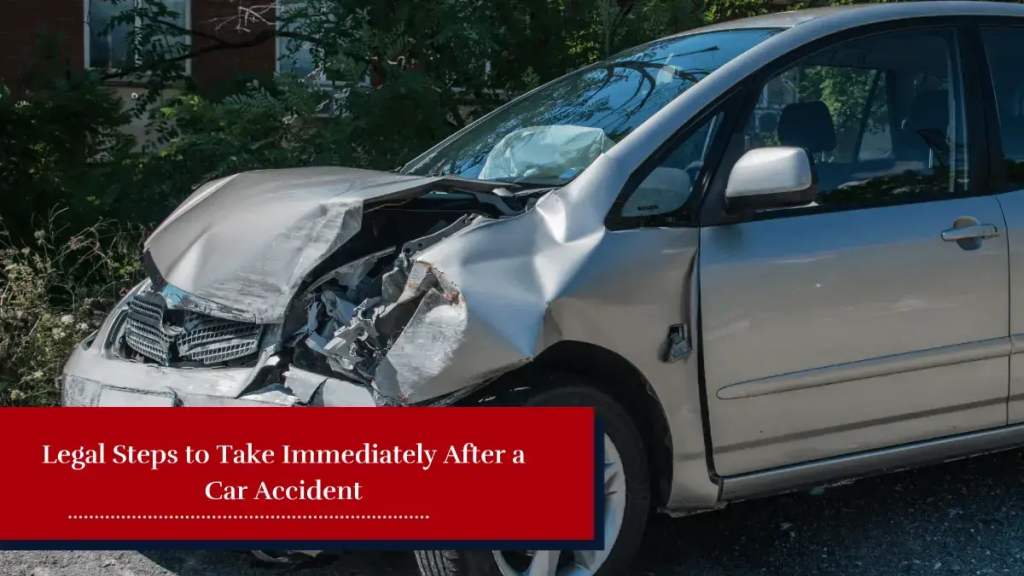
Legal Steps to Take Immediately After a Car Accident
Contact Us Today Do you know what to do after a car accident? In the moments after an accident happens, emotions can run high. It’s easy to overlook details or make snap decisions that could impact your legal options later. In Arizona, following specific steps at the accident scene and in the days afterward can protect your well-being and ability to pursue compensation. Here’s what you should do after a car accident in Phoenix. Ensure Safety and Call for Help Safety should always come first after an accident, so you should check yourself and others for injuries as soon as possible. If anyone requires immediate medical assistance, call 911 right away. Once you assess everyone’s condition, move yourself and your vehicle to a safe location if possible. Ideally, you should relocate away from traffic to avoid further danger. Turn on hazard lights to alert other drivers. Once you’re in a safe location, call for help. Calling the police is a good idea, even for relatively minor accidents. Police officers can secure the accident scene, redirect traffic, and summon emergency responders as necessary. They can also prepare an official report, which insurance companies usually require you to provide when you file an accident claim. Gather Evidence at the Scene if Possible Before police arrive to prepare an accident report, you may be able to begin collecting valuable evidence at the crash scene. Collecting evidence at the scene can strengthen your case if you pursue an insurance claim or lawsuit. Exchange information with the other driver. Collect the following information: The other driver’s name The driver’s contact information, including phone number and address The other driver’s insurance company name and policy number A description of the other vehicle and vehicle details The vehicle identification number, tag number, and license plate number The other driver’s license number Use your cellphone camera to take pictures of the crash scene, including images of all vehicles involved in the crash, vehicle damage, skid marks, road conditions, and any traffic signs. Capture the entire scene to show context, and make sure you take close-ups of any specific damage or visible injuries. If any witnesses are present, request their names and contact details in case you need their statements for your claim. If you are physically unable to gather evidence, ask someone you trust, like a friend, family member, or personal injury lawyer, to help. You can also rely on police reports, witness statements, and any footage from nearby security or traffic cameras. If you were taken from the scene to the emergency room before you could document the scene, you or your car accident lawyer in Phoenix can contact witnesses later for statements or request a copy of the incident report. Avoid Admitting Fault Avoid making any statements to anyone that might imply fault while your personal injury claim is pending. Insurers and defense attorneys might interpret casual remarks or apologies as admissions of fault. Even saying “I’m sorry” to another party could be used as evidence that you admitted responsibility for the car crash. Instead, stick to the facts when you speak to others at the scene, police officers, or insurance representatives. If you talk to the other driver, exchange contact and insurance information, but avoid discussing what caused the accident. Focus on gathering relevant information without expressing opinions or making comments that could be misinterpreted. This careful approach can protect you from costly mistakes or unintended consequences if other parties review your statements later on in a claim or lawsuit. Let investigators determine fault based on the evidence rather than on any comments you made right after the auto accident. Seek Medical Attention Seeking prompt medical care is one of the most important legal steps you can take after an accident, even if you don’t feel injured. Sometimes, injuries like whiplash, concussions, or soft tissue damage don’t show symptoms immediately. It’s common for people to begin experiencing neck or back pain after a car accident in the days or weeks that follow. A doctor can identify and treat these hidden injuries early and create documentation that can support any future insurance claims or legal cases you bring. If you didn’t already receive emergency medical attention right after the accident, go to the hospital or your primary care provider as soon as possible. Delaying medical care could raise doubts about the severity of your injuries, which can weaken your case if you decide to file a claim. Following a medical professional’s advice and keeping medical records of your visits, diagnoses, and treatments can protect your health and generate critical documentation if you need to pursue compensation later. Notify Your Insurance Company You may be required to notify your insurance company about the accident soon after it occurs, according to the terms of your insurance policy. Most insurers have specific deadlines for reporting accidents, so check your policy to ensure you comply. You might have just days or weeks to notify your insurer and protect your ability to file a claim. You may have insurance coverage to help with some of your accident-related losses, such as payment for a rental car, collision coverage for repair costs at a body shop, or insurance to cover your accident-related medical treatment. While you need to report the accident promptly, remember to be cautious with your statements – even when dealing with your own insurance company. Insurance companies want to protect their profits and do so by minimizing the value of claims – even from their own insured policyholders. Stick to sharing essential information, such as the date, location, and a brief description of the accident. Avoid guessing about the cause of the accident or admitting fault, as insurance adjusters could use these statements to deny your claim. If your insurance company asks for a recorded statement, consult a knowledgeable personal injury attorney before providing one. They can help you prepare for insurance conversations to protect your rights and avoid saying anything that could weaken your claim. Keep Detailed Records Remember to maintain a record of all accident-related expenses after the collision. This includes medical bills, pharmacy receipts, vehicle repair estimates, pictures of your damaged car, employment records that show your lost wages, and any transportation costs for medical appointments. Document any time you missed at work and any resulting income losses due to the accident, including any sick leave or vacation time you had to use during your recovery. In addition to medical expenses and income losses, keep track of any other financial consequences of the accident. For instance, if you needed help around the house because of your injuries or had to repair or replace personal items damaged in the accident, these costs will be relevant. Keep your records of these expenses organized in case you must pursue compensation through an insurance claim or lawsuit. Detailed documentation makes it easier to demonstrate the accident’s full impact on your daily life. Contact a Phoenix Personal Injury Attorney for a Free Consultation If you’ve been injured in an accident, the most important step you can take to protect your legal rights is to consult a Phoenix, AZ car accident lawyer. They can help you determine what to do after a car accident and handle the insurance claim process of seeking compensation for your losses while you focus on healing. At Silkman Law Firm, we offer free initial consultations so you can get advice on your situation without any financial commitment. Contact us today to discuss your case and strategize your next steps with an attentive and compassionate attorney. About the Author Alex Silkman is the founder and managing member of Silkman Law Firm Injury & Accident Lawyer. A Personal Injury Lawyer in Phoenix AZ, he focuses exclusively on personal injury, motorcycle accidents, truck accidents, and wrongful death cases, with the goal of getting truly just results for accident victims and their families. Past personal injury cases have included $2.4 million dollars awarded in a wrongful death motorcycle crash, $2.2 million in a malpractice settlement, and a $450,000 award from a car crash resulting in a thoracic vertebrae compression fracture and a fractured clavicle.

Minor Car Accident? When You Should Call a Lawyer
Contact Us Today The big question many crash victims struggle with is when to call a lawyer after a car accident. Most people hurt in minor collisions don’t believe their case deserves the time and resources an experienced car accident attorney offers. They may also feel they can quickly negotiate with the insurance company without involving a lawyer in the insurance claims process. Car accident compensation in Arizona can be tricky. Even with minor crashes and fender benders, it may be in your best interest to contact a car accident attorney in Phoenix to help you understand your legal rights and avoid being taken advantage of by an insurer. What Qualifies as a Minor Car Accident? Car crashes involving low speeds, minimal physical injury, and lesser impacts fall into the category of minor accidents. Often, minor collisions cause relatively insignificant injuries and slight body damage to vehicles. Fender benders are an excellent example of a minor motor vehicle accident. These impacts tend to occur at low speeds, causing minimal bumper damage and few injuries. Other examples of what may be considered minor car accidents include: Parking lot accidents Sideswipe accidents Rear-end collisions Hitting a curb or stationary object at low speed Typically, a minor collision only damages the vehicle’s body and does not prevent the car from operating. Common Injuries from Minor Car Accidents Although they are minor accidents, low-impact and low-speed collisions can still cause injuries. Some of the most common injuries associated with minor car accidents in Phoenix include: Concussions Whiplash Cuts and bruises Sprains Strains Superficial injuries A medical professional can treat most minor injuries, and these wounds usually do not require significant hospitalization. Rest and over-the-counter pain relievers may be the best treatment options. Common Issues After a Minor Car Accident You should be aware of the following frequent challenges and mistakes after a minor collision: Not Treating the Crash Seriously One of the most common issues following a minor auto accident is the relaxed attitude some drivers take when evaluating the initial situation. When only minimal damage or injuries are involved, the other driver may try to convince you to avoid contacting the authorities and handle things privately between you. This is often one of the worst ways to handle a crash, even a minor one. Comprehensive documentation is the key to recovering fair compensation for injuries and financial losses. That means you need a police report, photographs from the scene, and all parties’ insurance information. Failing to treat the accident as a significant event can hurt you when you try to negotiate for the money you need. It is never wise to trust that the other driver will properly compensate you in exchange for keeping their insurance company out of the equation. Not Seeing a Doctor Another problem with minor car accidents is that you may not feel the need to visit a medical professional for minimal injuries. This is a mistake. You need medical documentation to prove you were injured and seek meaningful compensation. Your health may also be at risk because even minor injuries can become significant when they are not discovered and managed promptly. Accepting a Low-Ball Settlement Never accept an initial settlement offer without consulting a minor car accident attorney. The other driver or insurance company wants to settle the matter quickly and cheaply. They are hoping you accept their first offer without question, allowing them to pay you off for pennies and move on with their lives. Talking to an attorney is the best way to understand your rights and legal options for pursuing the compensation you deserve. When Should You Contact a Lawyer? It never hurts to contact a lawyer for your minor car accident in Phoenix as soon as possible. Involving an attorney allows them to advise you about the best way to move forward with seeking the compensation you need to cover your losses. Talking to an attorney quickly is also in your best interest because your attorney can investigate the cause of the crash and gather crucial evidence before it is lost or destroyed. They can then have the tools to negotiate maximum compensation on your behalf. Discussing your situation soon after a collision provides you with peace of mind. You do not have to worry about the stress and frustration of managing a claim on your own. You can focus on moving forward with your life and let your attorney fight for you. How a Lawyer Can Help After a Minor Car Accident A lawyer working on a minor car accident in Phoenix can advocate for you. They are your first defense when protecting your legal rights and handling the sometimes confusing and complicated insurance claims process. You can trust an experienced lawyer to help you by: Investigating the cause of the minor collision Collecting and preserving evidence Communicating on your behalf with the parties and insurers involved Negotiating for maximum compensation Advocating for you during the claims process Filing a personal injury lawsuit when necessary Representing you in court if you must take your case to trial A Phoenix car accident attorney can manage every aspect of the claims process from start to finish, allowing you the time you need to heal and recover from your mental and physical injuries. Don’t fall for the myth that you don’t need an attorney after a minor car crash. No matter the circumstances, you deserve comprehensive legal representation. Contact Our Phoenix Car Accident Lawyer for Help At Silkman Law Firm Injury & Accident Lawyer, our legal team focuses on helping you pursue the money you deserve after a collision. Whether the crash that harmed you was big or small, we understand that you deserve our undivided attention and personalized legal advice. Our team has extensive experience recovering millions for our deserving clients, including many high-five and six-figure settlements for some clients in “minor collisions.” We work to build a personal relationship with each client, helping them through the whole process of filing a car accident claim. Past clients say: “You just can’t imagine how much there is to do even when it’s not your fault. We would highly recommend Silkman Law Firm Injury & Accident Lawyer.” Contact our Phoenix office today to demand everything you’re owed. We offer a free case review to help you understand your legal rights and how we can help you pursue compensation for your injuries and financial losses, even after a minor car accident. About the Author Alex Silkman is the founder and managing member of Silkman Law Firm Injury & Accident Lawyer. A Personal Injury Lawyer in Phoenix AZ, he focuses exclusively on personal injury, motorcycle accidents, truck accidents, and wrongful death cases, with the goal of getting truly just results for accident victims and their families. Past personal injury cases have included $2.4 million dollars awarded in a wrongful death motorcycle crash, $2.2 million in a malpractice settlement, and a $450,000 award from a car crash resulting in a thoracic vertebrae compression fracture and a fractured clavicle.

Impact of New Automotive Technologies on Driving Safety and Accident Claims
Contact Us Today New automotive technologies are rapidly transforming how we drive, offering features like advanced driver assistance systems (ADAS), automatic braking, and collision avoidance. These innovations are designed to improve driving safety, reduce accidents, and save lives. However, while they may lower accident rates, these systems don’t always perform flawlessly, and they can also complicate accident claims and liability issues. Overview of Automotive Technology Advancements Today’s cars have advanced automotive technology, including new safety features meant to protect drivers, passengers, and even pedestrians. Along with features like rear-view cameras and varying degrees of autonomous vehicles, ADAS help drivers avoid dangerous situations. While the specific features vary among brands and models, an ADAS often includes blind-spot monitoring, automatic braking, and lane departure warnings. How Technologies Improve Driver Assistance While rear-view cameras help drivers see obstacles behind them to avoid a crash, newer car technologies included in an ADAS often act automatically to keep drivers safe. The features in these systems often include: Blind-Spot Monitoring – This system alerts drivers when another motor vehicle is in their blind spot, helping them avoid side collisions while changing lanes. It uses radar and other sensors to detect objects in areas that are hard for drivers to see. Automatic Emergency Braking (AEB) – AEB kicks in when a car detects an impending collision. It automatically applies the brakes to prevent or reduce the impact of a crash. This feature is particularly useful when a driver doesn’t have time to react to a sudden emergency. Lane-Departure Warning – This system alerts drivers if they unintentionally drift out of their lane. It uses cameras or sensors to monitor road markings and warn drivers when their vehicle crosses them without signaling. Adaptive Cruise Control – This technology adjusts the vehicle’s speed to maintain a safe distance from the car in front. It automatically slows down and speeds up as necessary, making highway driving less stressful (in theory). Pedestrian Detection – This system identifies pedestrians and cyclists in a vehicle’s path and alerts the driver. Some pedestrian detection systems automatically apply the brakes if a collision seems imminent. Potential Risks and Challenges While ADAS and other new technologies aim to reduce accidents, they can also introduce new risks and challenges. One major concern is that these systems don’t always work as designed. Features like automatic braking or lane-keeping assistance can malfunction, potentially causing accidents instead of preventing them. Furthermore, drivers may over-rely on these systems, assuming they’ll handle all the safety work. This lack of engagement by drivers can lead to more dangerous situations when these new systems fail. Another challenge is the complexity of these systems. Not all drivers fully understand how ADAS or other new safety features work, leading to confusion or misuse. Some drivers might not know how to respond when a system issues a warning or takes control of the vehicle. Additionally, if an accident occurs due to a system failure, proving who caused the accident can complicate insurance claims and legal cases. Accidents Prevented by Technology So, do ADAS and other new features make cars safer? Research is ongoing, but there is some promising news. A recent study from the Insurance Institute for Highway Safety (IIHS) found a 14 percent drop in accident rates among cars with blind-spot warning systems. When researchers focused solely on crashes with injuries, there was a 23 percent decrease in accident rates. While this is just one data point, it suggests that new safety features can reduce the number of accidents. Can ADAS Cause Car Accidents? While some evidence supports including advanced safety features in cars, these technologies don’t always work as designed and have caused accidents. Autonomous cars, in particular, have proven dangerous when these systems don’t work correctly. In 2018, a self-driving Uber car struck and killed a pedestrian here in Arizona. Though the car had a human driver behind the wheel when the crash occurred, she didn’t intervene in time to prevent the collision when the car’s automatic pedestrian detection system failed. Unfortunately, the Uber crash in Arizona is one of hundreds of such incidents across the country. While new technologies undoubtedly have the potential to reduce collisions, it’s clear these systems still need work. Changing Dynamics of Liability New safety technologies like automatic braking and lane-keeping assistance can complicate the process of determining liability in a car accident. If a feature like an automatic braking system fails and causes a crash, figuring out who’s responsible isn’t always straightforward. Is the driver liable for not paying attention, or is the automaker at fault for producing a faulty system? The software designer who created the code that controls the vehicle’s response might be liable because the software failed. These questions can make car accident cases more complex, especially when multiple parties are involved. Injured drivers or passengers may have a more challenging time recovering fair compensation if there’s uncertainty over whether the technology, the driver, or another company should be held responsible. Adapting Traffic Laws and Regulations Another issue with the increased availability of automatic safety features in cars is that traffic laws and regulations often lag behind new technology in the automotive industry. Without clear rules to determine the liable parties when accidents occur, victims may have trouble enforcing their rights and recovering fair compensation. States may also adopt different laws, further complicating a legal case after an accident. Changes in Liability Frameworks and Insurance Policies Traditional car accidents usually involve holding one or more drivers responsible for the crash. However, when a safety feature like automatic braking or pedestrian detection fails, the responsibility could shift to the automaker, the software developer, or the parts manufacturer. This shift creates new challenges for accident victims trying to prove liability and recover compensation for their losses. Insurance companies are also adjusting their policies to account for these new technologies. Some may require additional coverage for tech-related failures, while others may try to avoid a car accident claim by shifting blame to the automaker or another third party. As these frameworks shift, victims could face longer, more complex legal battles, making it harder for them to secure fair compensation. Contact Our Phoenix Car Accident Attorney for Help If you sustained injuries in a car accident resulting from faulty technology, trust Silkman Law Firm Injury & Accident Lawyer to protect your rights. We understand the additional legal challenges these cases pose and can fight for justice on your behalf. Personal injury cases are all we do, and you don’t owe us any fees unless we recover compensation for your losses. Call us today or complete our contact form for a free personal injury claim review with a Phoenix car accident lawyer. About the Author Alex Silkman is the founder and managing member of Silkman Law Firm Injury & Accident Lawyer. A Personal Injury Lawyer in Phoenix AZ, he focuses exclusively on personal injury, motorcycle accidents, truck accidents, and wrongful death cases, with the goal of getting truly just results for accident victims and their families. Past personal injury cases have included $2.4 million dollars awarded in a wrongful death motorcycle crash, $2.2 million in a malpractice settlement, and a $450,000 award from a car crash resulting in a thoracic vertebrae compression fracture and a fractured clavicle.

Understanding Comparative Negligence in Arizona
Contact Us Today Are you struggling to recover compensation from a personal injury case because another party swears it’s your fault? Or is the insurance company trying to blame you to reduce their payout? These are common disputes in personal injury claims. In cases like these, Arizona’s pure comparative negligence doctrine comes into play. Comparative negligence applies in legal claims where multiple parties share responsibility for the same incident, and it can significantly impact your financial recovery. Here’s what you need to know about comparative negligence in Arizona, how it can affect your injury claim, and how a Phoenix personal injury lawyer can help. What Is Comparative Negligence? Comparative negligence plays a crucial role in personal injury cases where more than one party bears some fault for an accident. Every state applies its own negligence rules in these cases, which directly impact how much compensation a person can recover from a personal injury claim. Arizona uses a pure comparative negligence model, which says you can still recover compensation if you are partially (or even mostly) at fault for an incident. How Comparative Negligence Works in Arizona When you file a personal injury claim under the Arizona comparative negligence system, the court examines each party’s role in causing the accident or injury. If you share part of the responsibility, the court will adjust your payout to reflect your percentage of fault. While some states prohibit claimants from recovering compensation if their fault exceeds a certain level, Arizona allows you to recover money even if you are 99 percent responsible. Let’s say you get hurt in a car accident, and the court finds you 30 percent responsible for the crash. If you claimed $100,000 for your accident-related losses, your maximum payout would be reduced by 30 percent to account for your portion of fault. You would ultimately recover $70,000 in compensation. How Comparative Negligence Affects Your Compensation Because comparative negligence reduces your compensation based on your assigned percentage of fault, you could see a significant decrease in the amount of money you receive in your personal injury claim. This reduction can apply to all types of personal injury claims in Arizona, whether you were hurt in a car accident, slip and fall, or other incident. Whenever liability is in question, it’s crucial to consult an experienced personal injury attorney. Insurance companies often use comparative negligence as an excuse to minimize or dismiss even the most valid claims. If they succeed in proving you carry more responsibility for the accident than you actually do, that’s more money in their pocket and less paid to you. Your lawyer can collect evidence to challenge disputes over fault so you are not unfairly blamed. Common Scenarios Where Comparative Negligence May Apply Comparative negligence applies in any situation where two or more parties share responsibility for an injury or accident. Consider these examples: Motor vehicle accident – Driver A hits the brakes suddenly in an effort to get Driver B, who is tailgating, to back off. “Brake checking” is illegal in Arizona, but so is following too closely. Under the state’s comparative negligence laws, the court would likely assign fault to both drivers for any resulting injuries. Premises liability – You trip and fall on a poorly maintained stairway in someone else’s building. The property owner might argue that you share some fault for the incident because you were intoxicated, not paying attention, or wearing unsafe footwear. In this type of case, the court might split the fault between you and the property owner. Product liability – Suppose you suffer an injury while using a power tool. You might claim the tool’s design or a manufacturing defect caused the injury, while the manufacturer may say you misused the tool or ignored its safety instructions. In these circumstances, a court might assign a percentage of fault to both parties and adjust your compensation accordingly. Cases involving comparative negligence can get especially complex when there are more than two liable parties, so consulting a knowledgeable attorney is wise to best protect your interests and ensure everyone is held fully accountable for their role in causing your injuries. Dealing with Insurance Companies and Comparative Negligence When you file a personal injury claim, you can expect the insurer to examine every detail of the accident to determine fault. The insurance adjuster will aim to maximize your level of fault since this will reduce the company’s liability under Arizona’s comparative negligence rules. Any time you speak to an insurance adjuster, avoid admitting fault or making statements that could imply responsibility. Stick strictly to the facts, provide supporting documentation, and work with an experienced lawyer who can protect you from unfair assignments of fault. If the insurer assigns you a high percentage of fault, your attorney can help you negotiate or challenge this assessment. In Arizona, injured parties can contest fault allocations, especially if they feel the insurer exaggerated their responsibility. Your lawyer can present strong evidence like witness statements or expert opinions to bolster your claim for a lower fault percentage. Contact Our Phoenix Personal Injury Attorneys to Learn More If you need to file an accident claim and want to understand how comparative negligence could impact your compensation, contact Silkman Law Firm Injury & Accident Lawyer today. We offer free consultations so you can discuss your case and explore your options with a Phoenix personal injury attorney with no obligation. Our personal injury law firm has a history of recovering six-and-seven-figure results for deserving Arizonans, including: $2.4 million for a wrongful death case involving a motorcycle crash $2.2 million in a medical malpractice claim $450,000 for a car accident victim who suffered multiple spinal fractures and a broken collarbone Put our legal team to work for you, too. Contact us now to get started with your free consultation. About the Author Alex Silkman is the founder and managing member of Silkman Law Firm Injury & Accident Lawyer. A Personal Injury Lawyer in Phoenix AZ, he focuses exclusively on personal injury, motorcycle accidents, truck accidents, and wrongful death cases, with the goal of getting truly just results for accident victims and their families. Past personal injury cases have included $2.4 million dollars awarded in a wrongful death motorcycle crash, $2.2 million in a malpractice settlement, and a $450,000 award from a car crash resulting in a thoracic vertebrae compression fracture and a fractured clavicle.

What Happens if I Get into an Accident Out-of-State?
Contact Us Today What happens if I get into an out-of-state accident? Most people don’t realize what a challenging ordeal this can be until they are in this situation themselves. Do you file an insurance or personal injury claim in your own state, the state where the other driver lives, or the state where the accident occurred? Is there any way to get around the jurisdictional challenges involved? The simplest option is often to file in the state where the accident occurred, but you may be able to file in your own state, depending on the circumstances. Working with a car accident lawyer with experience handling issues related to jurisdiction in cross-state car accident claims can make this process much less stressful. If you’ve been in an accident out of state, a Phoenix car accident lawyer can determine the proper jurisdiction in which to take action. Understanding Jurisdiction in Cross-State Car Accidents Jurisdiction in car accident cases is usually straightforward. For example, suppose an Arizona resident gets in a car crash with another Arizona resident in Arizona. In that case, they will file a claim in the state where the accident occurred and where both drivers live. However, cross-state car accident claims are more complicated than that. Who has jurisdiction if you get into an accident out of state? What if neither driver is from the state where the accident occurred? While you would always file your insurance claim with the other driver’s insurance company, what happens if the insurance company does not offer a reasonable settlement and you need to file a lawsuit? The simple answer is to file your suit wherever the accident occurred. The courts in that state have jurisdiction. If you were injured in Nevada, you can file in Nevada. If you were injured in California, you can file a lawsuit in California. Your attorney will know whether to file in state court or county court. Common Jurisdictional Challenges in Cross-State Claims There are some situations in which a lawyer may be able to challenge jurisdiction. If you’re injured in an accident in Arizona but the other driver is from New York, you might not want to travel to New York to file a lawsuit. If the New York driver has what is known as “minimum contacts” with Arizona, you may be able to file in Arizona instead. This phrase simply means that they have a connection to the state, allowing that state to claim jurisdiction. For instance, a New York driver who comes to Arizona every year or owns a business in Arizona might have a sufficient connection to the state to allow you to file in Arizona. The same logic applies if you are injured in New York but wish to file in your home state of Arizona. If the other driver has minimum contacts with Arizona, you might be able to file in Arizona instead of New York. The laws governing personal injury cases vary from one state to another, so you should ask your lawyer whether there is any advantage to filing in the state where you were injured rather than your home state. You should also ask your lawyer whether there is any advantage to filing in federal court rather than state court. Federal courts have jurisdiction in cases involving citizens of two states and damages of at least $75,000, so you may wish to consider federal court if your claim meets that threshold. Legal Solutions to Cross-State Car Accident Claims Legal solutions in a cross-state car accident claim depend on the specifics of the accident. For example, if you’re an Arizona driver and you get in a car accident in California, you would generally file in California. However, if the other driver has connections with Arizona, you might be able to file in Arizona if you prefer. If you have a particularly challenging jurisdictional question, an experienced car accident lawyer can find a legal solution for your cross-state car accident claim. Steps to Take After a Cross-State Car Accident Take these steps after any cross-state car accident: Pull over to get out of the way of traffic Call 911 and file a police report about the accident Exchange information with the other driver, being sure to get their address and phone number Document your car accident injuries, damage to your vehicle, and the conditions at the accident scene Seek medical attention for your injuries Keep all medical bills and documents you receive Report the accident to your insurance company Although jurisdiction for a lawsuit may be complicated, insurance should cover car accident victims no matter where in the United States the accident occurred. How Silkman Law Firm Can Help Your first step after seeking medical attention and reporting the accident to your insurance company should be to contact a skilled car accident lawyer in Phoenix, AZ. Silkman Law Firm Injury & Accident Lawyer can determine which state has jurisdiction and where you should file a lawsuit if necessary. If there’s any way you can file in Arizona, we’ll let you know. If you have to file in another state, we’ll advise you on how to proceed. Deadlines for filing lawsuits vary from one state to another. For instance, the statute of limitations in Arizona gives you two years to file a personal injury lawsuit, but other states may give you less or more time to file. We’ll determine the applicable statute of limitations in the state where we need to file to ensure we do so before the deadline and preserve your right to seek compensation. Contact Our Phoenix Car Accident Attorney to Learn More Alex Silkman is a car accident lawyer in Phoenix, AZ, committed to fighting for his clients. We’re always available to meet with you wherever you find it most convenient, whether that means our office, your home, or the hospital. We’ll take the time to get to know you and understand your goals for a resolution of your case. After you hire us to represent you, we’ll always be here to discuss your case and fight the good fight for you. Contact us today for a free consultation to discuss your situation. About the Author Alex Silkman is the founder and managing member of Silkman Law Firm Injury & Accident Lawyer. A Personal Injury Lawyer in Phoenix AZ, he focuses exclusively on personal injury, motorcycle accidents, truck accidents, and wrongful death cases, with the goal of getting truly just results for accident victims and their families. Past personal injury cases have included $2.4 million dollars awarded in a wrongful death motorcycle crash, $2.2 million in a malpractice settlement, and a $450,000 award from a car crash resulting in a thoracic vertebrae compression fracture and a fractured clavicle.

Essential Do's and Don’ts After a Car Accident
Contact Us Today Do you know what to do after a car accident? You could be entitled to compensation if someone else is responsible for your injuries, but taking certain actions can put you at risk of losing that money. Follow this list of dos and don’ts to protect yourself after a collision and position yourself well for a strong car accident claim or lawsuit. Do: Ensure Safety First Check everyone for injuries. Pull your car off the road or onto the median to prevent a secondary crash with oncoming traffic, if possible. Do: Call the Police Call 911 to bring police and emergency medical responders to the accident scene. The responding officer will create a written report about the incident, issue any citations, and include a preliminary interpretation of who is responsible for the crash. Your attorney for the automobile accident and insurance company will want a copy of the police report later. Note: Arizona law requires motorists to report crashes involving injury, death, or property damage of more than $2,000. Do: Document the Scene Document the accident scene by taking photographs of: Any damage to the vehicles involved in the crash Visible injuries Road conditions Skid marks on the road Traffic signs Debris or other obstructions This information will later prove helpful in your law firm’s investigation of the accident. Don’t: Admit Fault After a car crash accident, people often have an impulse to apologize to the other person. Avoid saying, “I’m sorry.” The insurance company could later use that simple statement to pin fault for the accident on you, even if the other driver’s negligence really caused it. Don’t say too much when talking to the other driver after a car accident, and never admit fault. Don’t: Post on Social Media Another common inclination after a car crash is to post about it on social media. It’s natural to want to inform your friends and family members about what you’ve been through, but the other driver’s insurance company may look at those posts and try to use them against you. Insurance adjusters are trained to take potentially incriminating comments out of context to wiggle out of responsibility for an accident. Keep in mind that even posts that say nothing about the car accident could jeopardize your case. For example, if you file a personal injury claim for whiplash and post a photo a few weeks later at a dance party, the insurance company could argue that you exaggerated your injuries and reduce your compensation or deny the claim altogether. Contact Our Phoenix Car Accident Attorney For Legal Advice One of the most important things to do after a traffic accident is to seek advice from an experienced personal injury attorney. Silkman Law Firm Injury and Accident Lawyer is a Phoenix law firm with a reputation for excellent service and aggressive legal representation. Contact us today for a free consultation with an experienced car accident lawyer. About the Author Alex Silkman is the founder and managing member of Silkman Law Firm Injury & Accident Lawyer. A Personal Injury Lawyer in Phoenix AZ, he focuses exclusively on personal injury, motorcycle accidents, truck accidents, and wrongful death cases, with the goal of getting truly just results for accident victims and their families. Past personal injury cases have included $2.4 million dollars awarded in a wrongful death motorcycle crash, $2.2 million in a malpractice settlement, and a $450,000 award from a car crash resulting in a thoracic vertebrae compression fracture and a fractured clavicle.