Blog

All Car Accident Personal Injury Law Semi-truck Accident What To Know After an Accident Motorcycle Accident Slip and Fall Arizona Laws Case Study Wrongful Death Dog Bite Pedestrian Accident Bicycle Injury Bus Accident Medical Mistakes Boat Accident Burn Injury Emergency Survival Accident Guide Medical Malpractice News DUI Injuries Featured General How Personal Injury Is Calculated School Bus Accident Silkman Law Firm Service Swimming Accident Traumatic Brain Injury
Is Jaywalking Illegal in Arizona

Is Jaywalking Illegal in Arizona?

Contact Us Today Many states and cities have laws against crossing streets outside of designated crosswalks, while traffic controls instruct pedestrians to wait before crossing, or in situations where they should yield to oncoming traffic. This kind of behavior is colloquially known as “jaywalking.” And though Arizona law does not specifically make use of this term, it does prohibit pedestrians from crossing the street in certain scenarios in which it is deemed unsafe to do so. If you are facing legal trouble involving jaywalking, the Silkman Law Firm is standing by to help. Call us at (606) 560-5178 or reach out to us online to schedule your free, confidential consultation with an experienced member of our team. Read on for a brief introduction to jaywalking regulations in Arizona. Pedestrian Accident Statistics According to the Centers for Disease Control and Prevention (CDC), more than 7,000 pedestrians died in motor vehicle crashes nationwide in one recent year. This translates to approximately one pedestrian death every 75 minutes. The CDC further reports an estimated 104,000 emergency department visits to treat non-fatal pedestrian injuries in that same year. Though not all of these incidents involved jaywalking, pedestrians should nonetheless take care to cross the street when and where it is safe to do so. Jaywalking Laws in Arizona Again, the state code does not specifically use the term “jaywalking.” However, Arizona law does require that pedestrians follow certain rules when crossing the road. The governing statute provides as follows: A pedestrian crossing a roadway at any point other than within a marked crosswalk or within an unmarked crosswalk at an intersection shall yield the right-of-way to all vehicles on the roadway. A pedestrian crossing a roadway at a point where a pedestrian tunnel or overhead pedestrian crossing has been provided shall yield the right-of-way to all vehicles on the roadway. Between adjacent intersections at which traffic control signals are in operation, pedestrians shall not cross at any place except in a marked crosswalk. Can I File a Pedestrian Accident Claim If I Was Jaywalking? Absolutely. If a pedestrian is injured in an auto accident, they can certainly file a claim seeking compensation from the at-fault party. However, their right to compensation may be impacted depending on how much the pedestrian contributed to the cause of the accident. Many states allow injury victims to sue for compensation only if they were less than 50 percent responsible for the underlying accident. A small minority of states also bar would-be plaintiffs from pursuing compensation if they contributed even slightly. Fortunately, Arizona falls into neither camp. Instead, pedestrians in the state are allowed to pursue compensation even if they are 99 percent responsible for the underlying cause of an accident. However, their total compensation will be reduced proportionately to their degree of fault. For example, let’s say that your injuries in a pedestrian accident are worth $100,000. However, the jury in your case finds that you were 25 percent responsible. In this scenario, your damages would be reduced proportionately to $75,000. If you believe you may be partially at fault for your pedestrian accident, the best way to reduce or eliminate the risk of losing money in your claim is by working with an experienced jaywalking accident attorney. Consult With Our Experienced Pedestrian Accident Lawyers Jaywalking accidents can be particularly devastating because, unlike riders in an enclosed vehicle, pedestrians have nothing to shield them from the full impact of an oncoming vehicle. If you have been injured in this kind of accident, do not wait to consult with an attorney. The Silkman Law Firm is standing by to make sure you know your rights and help you down the path toward full and fair compensation. Call us at (606) 560-5178 or reach out to us online to schedule your free, confidential consultation.

Semi-Truck Accident Near Tucson

Driver Dead After HAZMAT Semi-Truck Accident Near Tucson

Contact Us Today A truck driver was killed in an accident on I-10 near Tucson recently when his tractor-trailer overturned. In the rollover, nitric acid spilled onto the roadway and released red and yellow vapor into the air. Authorities identified the victim as Ricky Immel, 54. The wreck triggered the evacuation and shelter-in-place orders due to the hazardous nitric acid. Authorities closed the freeway. They also ordered residents within a half-mile of the crash to leave their homes and those within one mile to shelter in place. The deadly truck accident occurred in mid-February. Winter weather conditions delayed cleanup efforts for two days. State troopers say they tested the air near the site soon after the wreck and determined it was free of nitric acid. Common Injuries After a Truck Accident Involving Hazardous Materials Thankfully, no one else appears to have been injured by the recent HAZMAT truck accident in Tucson. Traffic wrecks involving large semis carrying hazardous loads have the potential to cause devastating truck crash injuries, such as: Burns from exposure to caustic, reactive, or flammable chemicals Respiratory problems from inhalation of toxic fumes Traumatic injuries from the impact with the truck itself Physical injuries from contact with flying debris or shattered glass Infections and diseases, depending on the nature of the hazardous cargo Long-Term Consequences After an Accident with HAZMAT The long-term consequences of a HAZMAT truck accident vary depending on the severity of the crash, the types of hazardous materials involved, and a victim’s exposure to the materials. Possible long-term health consequences include: Increased risk of certain cancers and other diseases Chronic respiratory problems like chronic obstructive pulmonary disease (COPD) Neurological problems like chronic headaches, seizures, and neuropathy Reproductive issues like infertility and a higher risk of birth defects or miscarriage Immune system damage, increasing the risk of infections and diseases Psychological injuries such as depression or post-traumatic stress disorder (PTSD) Compensation for HAZMAT Truck Accident Injuries If the truck driver, the trucking company, or someone else caused the accident, they could owe you compensation for the harm you suffered. A successful insurance claim or lawsuit against the liable parties could provide you with money for: Past and future medical expenses Lost income Reduced earning potential Pain and suffering Lower quality of life Property damage Discuss your case with a HAZMAT truck accident lawyer today to learn more about your options. Contact Our Arizona Semi-Truck Accident Attorneys for Help Were you or a loved one hurt in a HAZMAT truck accident in Arizona? Then don’t wait to reach out to Silkman Law Firm Injury & Accident Lawyer. You deserve full compensation for the injuries, expenses, and other losses you suffered – and you may have several options for pursuing it. Our team can identify all possible sources of recovery, investigate the circumstances of the truck accident, and demand the money you need to be made whole. Contact us today to learn more about your legal options in a free initial case review with our Arizona truck accident attorneys.

Non-Economic Damages

What Are Non-Economic Damages?

Contact Us Today If another person's negligence injured you, Arizona law entitles you to seek compensation for your accident-related injuries and losses. In legal terms, the compensation you'll get for these losses is called "damages." In personal injury lawsuits, courts may award the injured party compensatory damages. This money compensates injured people for their economic and non-economic losses. In rare cases, courts may also award punitive damages – which are meant to punish the defendant. These damages are only awarded when the at-fault party's conduct was malicious or especially reckless. Economic damages compensate you for losses that have a specific cost. These damages are easy to prove since records, like bills or receipts, are available as direct evidence of your loss. Economic losses include medical expenses and lost wages. So what are non-economic damages? Definition of Non-Economic Damages Non-economic damages compensate you for the effects of your injury that are non-monetary and intangible. While economic losses are verifiable and objective, non-economic losses are subjective and more difficult to prove. Because non-economic damages are more difficult to prove, the amount of non-economic damages you may be awarded in any injury case depends heavily on just how much your day-to-day life is impacted by your injuries and what sort of evidence or witnesses can be gathered to help provide proof of the losses you have suffered. Examples of Non-Economic Damages You could recover many types of non-economic damages in a personal injury claim. Non-economic damages are awarded in all types of personal injury cases. You could recover these damages if you suffered an injury in a car, motorcycle, truck, or slip and fall accident. Non-economic damages are also recoverable in wrongful death cases. Non-economic damages include: Pain and suffering Inconvenience Emotional distress Loss of enjoyment of life Loss of companionship and society Loss of consortium Mental anguish Disability, scarring, or disfigurement How Are Non-Economic Damages Calculated? Calculating the fair and reasonable value of your non-economic losses in a personal injury case is challenging. Insurance carriers don't want to pay more money than they must and will likely challenge any demand you make for non-economic losses. An attorney experienced in dealing with insurance companies and skilled in presenting evidence of non-economic losses is crucial to your successful personal injury claim. So how do you calculate non-economic losses since they are difficult to measure and verify? One method of calculating non-economic losses, primarily in situations where the injuries are less severe and your day-to-day life is not impacted for very long, is to apply a multiplier to the number of your economic losses. For example, take your economic damages and multiply them by a factor of 1.5 – 2.5 to come up with a value for your non-economic losses. An alternative way to calculate your non-economic losses is the per diem method. An amount would be selected based on the severity of your injuries and multiplied by the number of days it took you to recover. Ultimately though, no two injury cases are ever perfectly alike, and an appropriate measure of non-economic damages needs to be done on a case-by-case basis. Consulting an experienced personal injury attorney is important to help determine what an appropriate amount of non-economic damages may be for your specific case. Contact an Experienced Personal Injury Attorney in Phoenix, AZ Today If you have suffered substantial non-economic losses due to another person's negligence in Phoenix, Silkman Law Firm Injury & Accident Lawyer has the knowledge and experience to build a solid case on your behalf. Our firm works with an extensive network of legal and non-legal professionals to cover every issue in your case and pursue the full and fair compensation you deserve. To learn more, contact Silkman Law Firm Injury & Accident Lawyer today for a free consultation.

Preserve Evidence for Your Personal Injury Claim

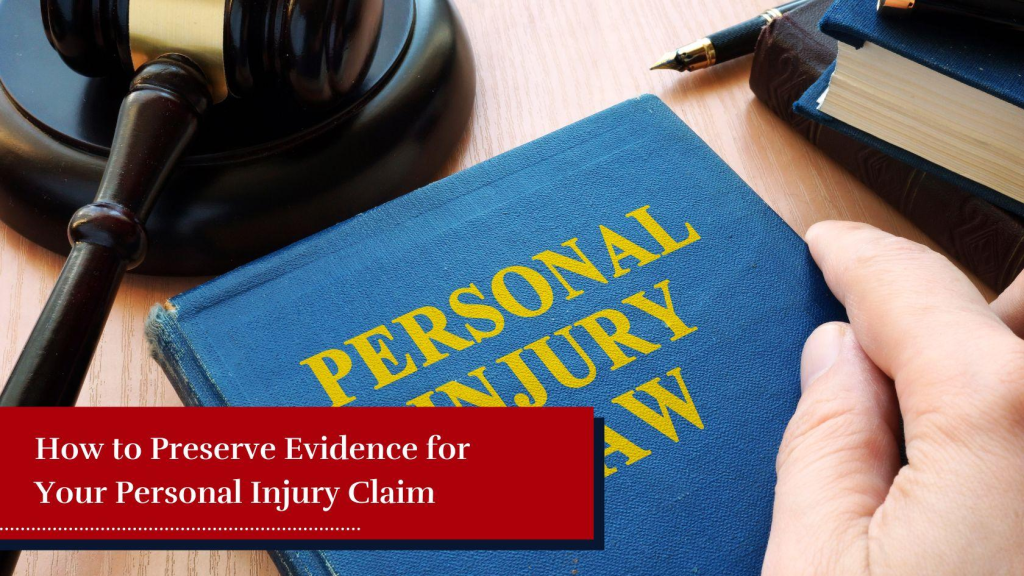
How to Preserve Evidence for Your Personal Injury Claim

Contact Us Today If you have suffered an injury from an accident or incident that was someone else’s fault, you may be entitled to compensation from the person who hurt you. From the moment you are injured, collecting evidence is vital to proving another party is responsible for the harm you experienced. The personal injury lawyers of Silkman Law Firm Injury & Accident Lawyer are here to explain why you need proof of your injury, what evidence is essential, and how an experienced personal injury lawyer could help you. To learn more, contact our office today for a free case review. Do You Need Proof for a Personal Injury Claim? To secure compensation for your injuries, you must prove that another party is responsible for them. In most cases, this involves establishing the circumstances of the incident, how you became injured as a result, and how that other party contributed to those circumstances. Proving each of these elements requires collecting and preserving evidence such as medical records, eyewitness statements, pictures of the accident scene, and other documentation showing liability. Without this evidence, your claim could be denied or you may not receive the full compensation you deserve. What Evidence Is Needed for a Personal Injury Claim in Phoenix? The types of evidence commonly needed for a personal injury claim include the following: Photos – Pictures of the accident scene and your injuries can be invaluable to proving the other party is at fault. You should take pictures of the scene where your injury occurred as soon as possible. Witnesses – Witnesses who saw what happened can provide valuable testimony about how the accident occurred and who was at fault. Be sure to get their contact information so your attorney can follow up with them. Medical records – All medical records related to your injury should be preserved, including hospital stays, doctor's visits, physical therapy appointments, and diagnostic tests. These records will demonstrate the severity of your injury and how much you could be owed in compensation. Police report – A police report could help prove fault and provide other information, such as whether anyone was cited or arrested. How to Preserve Evidence After an Accident If you have been involved in an accident, preserving evidence related to your personal injury claim is essential. You can do so by: Taking photographs of the scene immediately Getting the contact information of others involved and any witnesses Requesting a copy of the police report Keeping all medical records of your injury Collecting all of this evidence can be overwhelming and time-consuming, especially when dealing with a serious injury. Fortunately, a qualified personal injury lawyer can handle the bulk of these efforts on your behalf. How a Phoenix Personal Injury Lawyer Can Help You Collect Evidence An experienced personal injury attorney is a critical ally as you seek to build your case for compensation. Not only do they know precisely what evidence could build a strong case, but they also have access to resources that can help them gather and preserve it. If you were injured in Phoenix, contact Silkman Law Firm Injury & Accident Lawyer today for a free legal case review.

Nerve Damage from a Car Accident

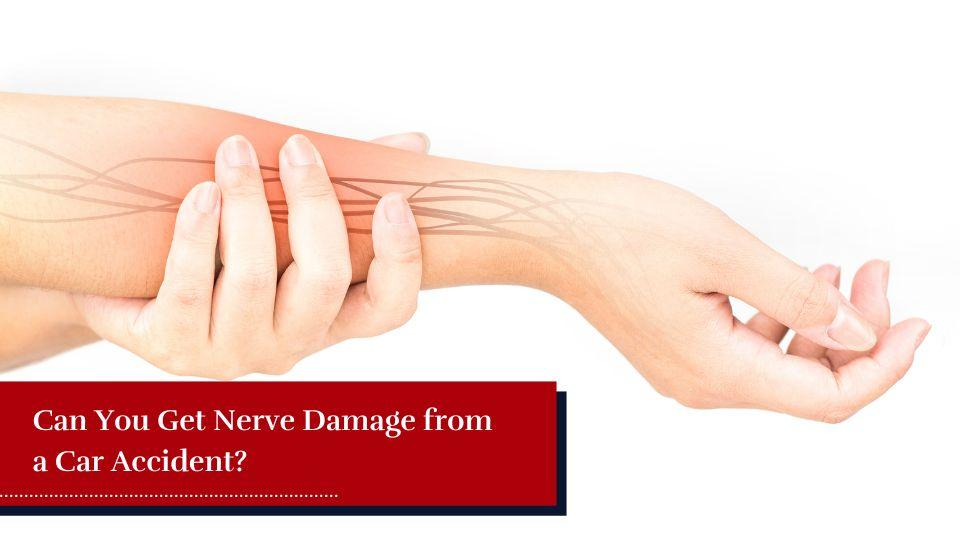
Can You Get Nerve Damage from a Car Accident?

Contact Us Today Car accidents can be incredibly devastating and even life-altering events, with the potential to cause physical and psychological trauma that can last long after the accident itself. One common but often underappreciated injury is nerve damage or pinched nerves. If you’ve been injured in a car accident due to another driver’s negligence and are experiencing nerve damage, you may be entitled to compensation. Contact the Phoenix accident attorneys at Silkman Law Firm Injury & Accident Lawyer for more information. Causes of Nerve Damage After a Car Accident Nerve damage is a type of injury caused by pressure or stretching of the nerve fibers and can cause extreme pain, numbness, tingling, and even paralysis in some cases. Even someone who isn’t directly struck by a piece of the vehicle or another object can suffer trauma from a rapid change in acceleration or deceleration – a type of injury called whiplash. The most common type of nerve damage caused by car accidents is peripheral neuropathy, which affects the arms and legs. It is essential to get checked out after any car accident, no matter how minor your injuries may seem at the time, because even low-impact crashes can result in long-term nerve damage if the underlying injury isn’t treated immediately. Symptoms of Nerve Damage After a Car Accident Common symptoms of nerve damage after a car accident include: pain, numbness, tingling sensations, muscle weakness or paralysis, loss of balance, and sensitivity to touch. If you suspect that you may have nerve damage after a car accident, it’s essential to seek medical attention as soon as possible. Prompt diagnosis and treatment can help to reduce further injury and improve overall recovery time. Be sure to discuss all of your symptoms with your doctor so they can assess the extent of your injury and recommend appropriate treatments. What Damages Can I Recover from a Nerve Damage Claim? If you have experienced nerve damage as a result of a car accident, you may be entitled to financial compensation for any harm associated with your injuries. Some damages commonly recovered from a nerve damage claim include medical expenses, lost wages, pain and suffering, and mental anguish. In order to determine if you have a valid claim, you should contact an experienced personal injury lawyer who can help you understand the legal aspects of your case and explain what damages you may be able to pursue. Talk to Our Personal Injury Lawyers at Silkman Law Firm Injury & Accident Lawyer At Silkman Law Firm Injury & Accident Lawyer, we understand the physical and emotional challenges that come with nerve damage caused by a car accident. We firmly believe that no one should have to pay the price for an accident that was not their fault. Our legal team wants to help you demand the money you need for your medical bills, lost income, and pain and suffering. Contact us today for a free consultation with our Phoenix-area car accident lawyer and find out what we can do for you.

Can I Sue If I Was Hit by a Car While Walking in a Parking Lot?

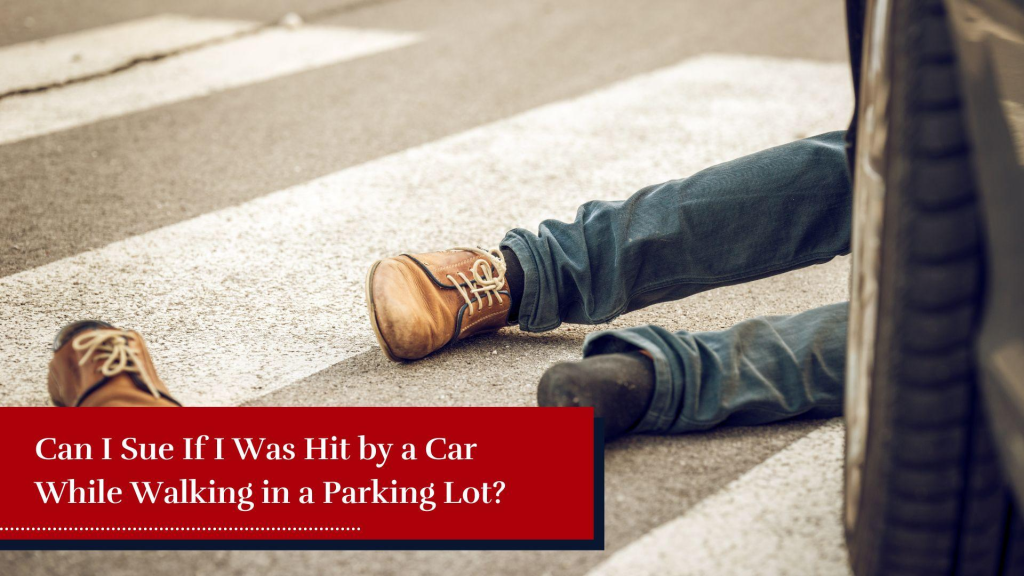
Can I Sue If I Was Hit by a Car While Walking in a Parking Lot?

Contact Us Today Parking lots are the sites of many accidents. When only motor vehicles are involved, the results are often minor fender benders. But the results can be devastating when a 3,000-pound car hits an unprotected pedestrian. Even being hit at a low speed can lead to debilitating injuries and significant medical bills. Many of these pedestrian accidents in parking lots are caused by negligent drivers. If you were hit and injured by a motorist while walking through a parking lot, you could seek compensation from them through a personal injury lawsuit. Common Causes of Pedestrian Accidents in Parking Lots There are several common ways that pedestrians may be hit by a car in parking lots, including: Driving while distracted — Texting, talking on the phone, adjusting the radio, eating and drinking, and daydreaming are all examples of driving distractions. If a motorist is distracted, they may not notice a nearby pedestrian before it is too late. Focusing on finding a place to park — Drivers can be so focused on finding a parking spot that they become oblivious to their surroundings — including vulnerable pedestrians. Backing out of a parking spot without looking for pedestrians — Pedestrians often pass directly behind parked vehicles when in parking lots. A motorist who backs out without first ensuring there aren’t any pedestrians in their blind spots could cause a collision. Pedestrian negligence — Occasionally, pedestrians can be partly responsible for parking lot accidents. For instance, a pedestrian may be distracted by their cell phone or not using walkways when available. What to Do If You’ve Been Injured in a Parking Lot Pedestrian Accident Taking as many of these steps as possible can help build your claim for compensation after a parking lot accident: Get the driver’s contact details — Don’t speculate about the accident, apologize, or admit fault. You only need to get the driver’s name, phone number, insurance provider and policy number, driver’s license number, and license plate number. Gather evidence — Take photos and videos of your injuries, the vehicle that hit you, the accident scene, and other relevant evidence. Visual evidence can significantly strengthen your case against the at-fault driver. Get information from eyewitnesses — Talk to any bystanders who witnessed the accident and ask for their contact details. They could provide testimony that supports your case. Report the accident to law enforcement — Unless there are significant injuries involved, often law enforcement will not come to the scene of an accident if it occurred in a private parking lot. This makes the information that you gather yourself all the more important. However, it is still always a good idea to report the crash to police officers. They may still prepare a report or at least make a record of where and when an accident occurred, which could help you obtain a settlement from the at-fault motorist’s insurance company. See a doctor — Seek medical attention right away, even if you don’t think you were severely injured. Some injuries don’t show symptoms immediately. You should never assume that you don’t need medical care. Contact a lawyer — You should speak with a skilled Phoenix pedestrian accident lawyer as soon as possible. Injured in a Parking Lot in Arizona? Talk to Our Experienced Personal Injury Attorneys in Phoenix, AZ Today If you were hit by a car in a parking lot, you have a legal right to pursue compensation from the motorist who hit you. At Silkman Law Firm Injury & Accident Lawyer, our Phoenix pedestrian accident lawyers can help you hold the at-fault driver accountable for your injuries and losses after a collision in a parking lot. Contact us today for a free consultation.

Can Social Media Ruin Your Personal Injury Claim

Can Social Media Ruin Your Personal Injury Claim?

Contact Us Today Too many personal injury claimants have lost out on the compensation they deserved by making posts on social media that an insurance company used to contradict their claims or attack their credibility. While you may think you’re posting something innocent, the insurance company can still find a way to twist it. To learn more about how you can avoid hurting your personal injury claim on social media, contact Silkman Law Firm Injury & Accident Lawyer for a free consultation. How Social Media Can Hurt Your Personal Injury Case Any of the following online actions could derail your case for compensation: Posting specific details about the accident or your injuries — When posting on social media, you may unintentionally contradict statements you have made in your official claim. The information you post can hurt your case by giving the insurance company a reason to deny your claim or reduce the compensation they offer you. Posting inconsistent statements on social media can also damage your credibility if your case goes to court. Making negative comments about the insurance company or opposing party — Making comments about the party at fault for the accident or the insurance company might leave the jury to assume you are being vindictive rather than simply pursuing the compensation you need to put your life back together. Revealing the extent of your physical abilities and limitations — Do not post photos of yourself doing anything that could undercut the claims you've made about your injuries. For example, an insurance company could use a photo of you out with friends to suggest that you are not as hurt as you claim. What Not to Put on Social Media During a Personal Injury Case Things to avoid putting on social media during your injury case include: Photos or videos of yourself Location check-ins, which may suggest you are doing activities like exercise or sports Details about the accident or injuries you have suffered Updates on the progress of your claim Any angry or critical comments about the insurance company or any at-fault parties You should not accept connection or friend requests from anyone you do not know during your injury claim. They may come from an insurance representative who wants access to your social media timeline. You should also set your profile to private. However, this does not fully protect you. Insurance companies may instead send connection requests to your friends and family to gain limited access to your social media posts. Can a Court Order You to Show Your Social Media Activity? The insurance company may request a court order requiring you to turn over a copy of your social media timeline if it has evidence that your posts contradict your claims. Any information you post may be damaging to your case or favorable to the insurance company or defendant. Because a court may order you to produce a copy of your social media activity, you should not delete or alter any posts on your accounts. Editing your social media may be considered destroying evidence. Contact a Personal Injury Lawyer in Arizona for Help Contact Silkman Law Firm Injury & Accident Lawyer today for a free, no-obligation consultation with a personal injury lawyer in Arizona. Our firm can explain the risks social media poses to your injury case and discuss how to pursue the compensation you need.

Accident While on the Clock

What If I'm in a Car Accident While on the Clock?

Contact Us Today Have you been in an Arizona car accident while on the job? If so, you likely have questions about who will cover your repair expenses or medical bills. Silkman Law Firm Injury & Accident Lawyer is here to help determine who could be liable when on-the-clock employees are involved in traffic collisions. When Is My Employer Responsible for Damage to My Vehicle? An employer’s responsibility for a car crash involving one of its employees varies depending on the circumstances. Your employer is generally only liable for what happens when you are on the clock and actively engaged in work-related activities. Your employer might be liable for damage to your vehicle if you crashed while driving: A delivery truck, which you use exclusively to make deliveries for the company A rental car for a work-related trip to another city A company car at any given time or location From one off-site work location to another When Is My Employer Not Liable for Damage? In most circumstances, your employer will not be responsible for vehicle damage from accidents. You may be on the hook for your repair expenses in the following scenarios: You were supposed to be at work but were driving for reasons unrelated to work when you crashed. You crashed because you were driving while intoxicated or engaged in another behavior that violates your employer’s policies. You were driving for work-related purposes but had left your intended route to run a personal errand at the time of the crash. What Other Parties May Be Liable for an On-the-Clock Car Wreck? One or several parties that are not your employer may be liable in a car accident that occurs while you are on the clock, including: Other road users – Another road user, such as a motorist or pedestrian, may be liable if their actions caused the wreck. Vehicle manufacturers – A vehicle manufacturer may be responsible if its poor product design led to a mechanical failure that contributed to the accident. Vehicle mechanics – You may also be able to hold a mechanic or repair shop responsible if it failed to properly inspect or fix faulty car parts that caused the accident. Local governments – A local government agency might be liable if poor road conditions or missing road signs led to the accident. What If I’m an Independent Contractor? If you are an independent contractor, you are effectively self-employed. You have no employer to hold liable for damage to your vehicle, even if you were paid to work for someone when the accident occurred. However, you could hold a client or other party responsible for crash damage if they were somehow responsible for the collision. You could also seek compensation from a property owner if the crash occurred on their premises due to their negligence. Get Help for a Car Accident That Happened While You Were on the Clock If you were involved in an accident while driving a personal or company vehicle for work, contact Silkman Law Firm Injury & Accident Lawyer. We can address your concerns and review your case for free when you contact us for your initial consultation session.

Fault in an Accident When Changing Lanes

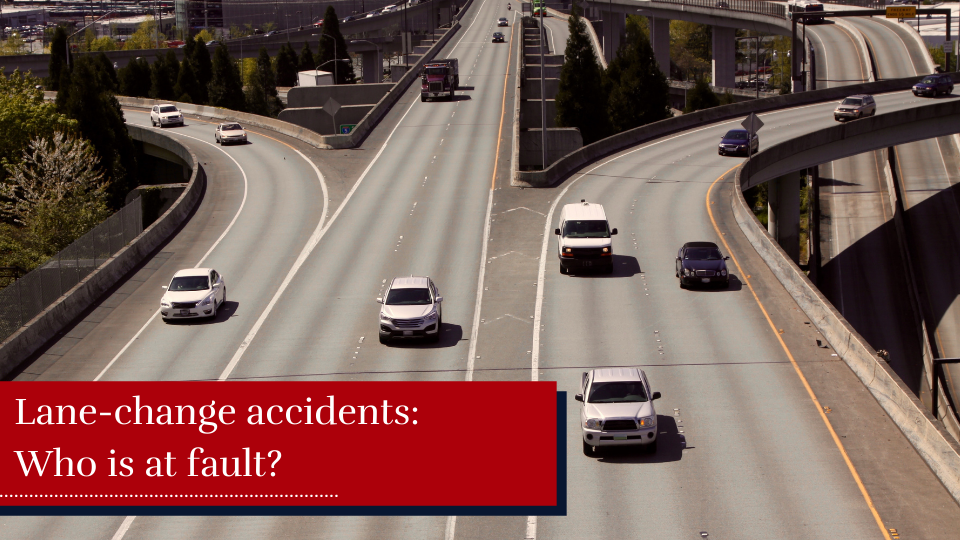
Who Is at Fault in an Accident When Changing Lanes?

Contact Us Today If you were involved in a lane-change accident, you might not be sure who was at fault. Changing lanes and merging involves many quick decisions, and it can be difficult to remember if you took all the necessary precautions. Here, we’ll discuss how these auto accidents happen and what you can do to protect yourself while on the road. Lane Change Accident Statistics Lane change accidents account for almost 17% of all accidents on Arizona roads. These types of crashes, also known as sideswipe or merge accidents, cause thousands of injuries each year. In 2020, the AAA Foundation for Traffic Safety reported that regardless of gender, nearly 8 in 10 (79%) admit they participate in aggressive driving behaviors (including blocking people from switching lanes, gesturing, following too closely etc). 11.9% also have purposely cut another car off. These dangerous behaviors contribute to Arizona's many lane change accidents every year. Who Has the Right-of-Way When Changing Lanes? How can you tell if you have the right-of-way when changing lanes? There are two primary situations you should be aware of when driving in Arizona: Changing lanes - A driver driving straight ahead in a lane has the right-of-way. The driver changing lanes has a responsibility to make sure it is safe. In most instances, a driver who hits another vehicle will be responsible for the crash. However, if the other driver does something to prevent the lane change, such as speeding up or slowing down, they might be liable for the crash. Merging traffic - When traffic lanes merge or when a driver turns into a lane from another road, the driver driving straight ahead in the lane has the right-of-way. Again, it is the responsibility of the merging driver to check first before merging. However, when a driver sees another vehicle attempting to merge, they should either move over or slow down. If they fail to do so, they could also be liable for the crash. What to Do Before Changing Lanes Some lane change accidents are caused because drivers don’t know how to change lanes safely. Like most vehicle collisions, lane change accidents could be prevented if drivers are alert and exercise adequate caution. In order to avoid an auto accident while changing lanes, it’s important to: Use your turn signal to indicate that you intend to change lanes Check your rearview mirrors and blind spots Maintain your current speed while changing lanes Only change one lane at a time Avoid changing lanes marked by solid lines Avoid changing lanes at an intersection Determining if it is safe to change lanes requires you to estimate the speed of vehicles both ahead and behind you. In hazardous weather conditions, such as rain or ice, you should allow a greater distance between vehicles before changing lanes. If you are ever uncertain about whether or not it is safe to merge, you should wait until there is a safer opportunity. Talk to Our Experienced Personal Injury Attorneys in Phoenix, AZ Today If you were injured in an Arizona lane change accident, contact a knowledgeable Phoenix car accident attorney at Silkman Law Firm Injury & Accident Lawyer. Our legal team can provide the support and guidance you need during this challenging time. Call us or reach out to us online for your free consultation today. Note: This article was previously published in Feb 2022 and updated for relevance in Oct 2022.

Proving a wrongful death case

How Do You Prove Wrongful Death?

Contact Us Today Proving that someone else’s careless or intentional actions caused the death of a loved one is not always easy. Although your family may be owed compensation for your tragic loss, you will need to prove your wrongful death case in court or to an insurer. You could benefit from having an experienced attorney gather the evidence you need and turn it into a compelling argument on your behalf. At Silkman Law Firm Injury & Accident Lawyer, our legal team wants you to understand what it takes to build a strong case that offers you the best chance of helping you recover what you deserve. 4 Elements of a Wrongful Death Lawsuit Most wrongful death claims require you to prove the at-fault party’s negligence with the following four elements: Duty of care – A duty of care establishes that one person has a legal obligation to another, typically to prevent them from being hurt. For example, drivers owe everyone on the road a duty of care to avoid causing an accident. They must obey traffic laws and operate their vehicles with care. A duty of care is generally determined by what a hypothetical “reasonable person” would do in the same situation. Breach of duty of care – Once you’ve established that another party owed your loved one a duty of care, you must prove they violated that duty. If a driver got behind the wheel while drunk and caused a fatal accident, they breached their duty to operate their vehicle safely. Causation – It’s not enough to prove that a careless individual breached their duty of care. You must also establish that the breach directly caused your loved one’s death. Damages – You must establish that losing your loved one has caused measurable losses for which you can be compensated. These losses can be financial, as with medical expenses and lost income. But they can also be personal, such as lost affection and the emotional trauma you experienced because of your loved one’s death. What Is the Burden of Proof? If you file a wrongful death lawsuit, the burden of proof rests on your shoulders. This means that the other party is not assumed liable for your loved one’s death unless you can establish the four elements of negligence. You accomplish this by presenting enough evidence that suggests it is more likely than not that the at-fault individual caused your loved one’s death. How a Lawyer Can Help Prove Wrongful Death The compensation you can potentially recover from a wrongful death lawsuit is no replacement for the love and support of a cherished family member. However, it can provide you with financial security and justice for your loss during a challenging time. If you’ve lost a loved one in an accident, talk to an experienced Phoenix wrongful death attorney at Silkman Law Firm Injury & Accident Lawyer today. We offer free, no-obligation consultations and look forward to hearing from you.

Disputing car accident fault

How to Dispute Fault in a Car Accident

Contact Us Today If you have been injured in a Phoenix car accident and someone else was to blame, you have the right to demand compensation for your losses. However, the dollar figure you can secure depends on how much fault you bear for the accident. You need to be able to dispute fault if the other driver’s insurance company tries to pin some or all of the blame on you. Learn more from our car accident attorneys here, or contact us for a free case review. What Is Fault in a Car Accident Claim? Most car accidents occur because one of the drivers involved in the accident behaved in a negligent manner, such as by: Violating traffic laws Becoming distracted Driving while fatigued Not looking before changing lanes Following another vehicle too closely Generally, a driver who does not follow the rules of the road is considered at fault for a resulting collision. Proving that the other driver was at fault is the most important factor in successfully recovering compensation in your claim. How to Dispute Fault in a Car Accident Case In Arizona, you can still recover compensation even if you are 99 percent at fault for an accident. But because the amount of compensation you receive depends on the amount of responsibility you bear for the accident, the insurance company is motivated to pin as much blame on you as possible. The first step you will need to take toward disputing fault in your case is to collect evidence establishing the other driver’s fault. This evidence could include: Photos and videos of the accident scene Witness statements or contact information Medical records and bills Automobile repair invoices You should also get a copy of the police accident report as soon as possible. In Arizona, police should make a crash report of any collision that results in injury, but this does not always happen. In this report, the responding officer will provide their assessment of who was responsible for the crash. While this report is not legally binding, it can be a valuable piece of evidence for your claim. If you believe they have unfairly assigned the fault to you, you can contact the officer who filed the report and present them with evidence proving the other party is to blame. They may agree with you and amend the report. If not, you will need to take further steps. A knowledgeable Phoenix car accident attorney can review your case and secure the evidence needed to establish fault for the collision. They can also dispute fault for the accident with the insurance company, on the crash report, or in court to pursue maximum compensation. Talk to an Experienced Car Accident Lawyer in Phoenix, AZ Today Having a skilled car accident attorney on your side is always a good idea when filing an injury claim and demanding the compensation you deserve. However, it is particularly important to have a strong legal advocate if you need to dispute fault for a car accident. The experienced legal team at Silkman Law Firm Injury & Accident Lawyer is ready to give you and your claim the individual attention you deserve. Contact us today for a free case review with a Phoenix car accident lawyer, and let us get to work for you.

Is It Normal to Sleep a Lot After an Accident

Is It Normal to Sleep a Lot After an Accident?

Contact Us Today The psychological turmoil from a car crash can leave victims feeling jittery or preoccupied, making it difficult for them to sleep. However, some people have the opposite problem and find themselves sleeping more than usual after a crash. While feeling tired after a car accident can be the normal response of a body that needs to rest and heal, sleeping so much that it interferes with your daily life can be a sign of a brain injury or another serious injury. The legal team at Silkman Law Firm Injury & Accident Lawyer is here to explain if it's normal to sleep a lot after a car accident and symptoms that could be a sign of a serious medical condition. If you were injured in an accident, contact us today for a free consultation with an experienced car accident attorney. Does Recovering from Injuries Make You Sleepier? Rest is essential to the body’s healing process. A car accident can be a major shock to your system, even if you suffer only minor injuries. Because of this, recovering from injuries can make you sleepier. It is common for people to feel extreme fatigue following a car crash once the initial rush of adrenaline wears off. They may also need extra sleep to recover. However, be aware of your sleep patterns and how the accident affects them, as sleeping too much is often a sign of a serious injury. What Should I Do If I’m Sleeping a Lot After a Car Accident? If you are concerned about how much you sleep after a car accident or are scared to sleep after a concussion, see your doctor immediately. Changes in your sleep habits can be a symptom of a traumatic brain injury (TBI). Waiting too long to treat a head injury can lead to serious medical complications. Excess fatigue is also a common symptom of depression, which many people develop after a crash. While it may be that your body is simply recuperating from a traumatic ordeal, it is best to see your doctor to be sure. What Sleeping Disorders Could I Develop After a Car Crash? Many people involved in car accidents develop sleep disorders afterward, including: Insomnia Sleepwalking Narcolepsy, or falling asleep uncontrollably Excessive daytime sleepiness, also known as hypersomnia Delayed Sleep Phase Syndrome (DSPS) Sleep apnea Bruxism, or grinding or clenching your teeth in your sleep Restless legs syndrome (RLS) Periodic limb movement disorder, which involves involuntary movement of the arms and legs during sleep Signs My Car Accident Injuries Involve a TBI Increased fatigue and changes in your sleep habits can be signs of a traumatic brain injury. Other symptoms of a TBI include: Headaches, including migraines Vomiting and nausea Difficulty speaking Blurred vision or ringing in the ears Difficulty concentrating Memory problems Sensitivity to sound or light Dizziness or vertigo Can I Get Compensation for Developing Sleeping Disorders After a Car Accident? A sleep disorder can significantly impact your life. If you developed a sleeping disorder after a car accident, you might be entitled to compensation for the harm you have suffered. An experienced car accident lawyer can evaluate your case to determine whether you could be owed compensation for the costs of treating your sleep disorder or any other medical condition caused by the crash, along with other financial and personal losses. Contact Silkman Law Firm Injury & Accident Lawyer for a Free Consultation Contact the car accident lawyers at Silkman Law Firm Injury & Accident Lawyer today if you think you developed a sleeping disorder or another medical condition due to a car accident. We can explain your legal options for pursuing compensation during a free initial consultation.

Contact Us

Fill out this form below and we'll contact you shortly
*Required Fields