
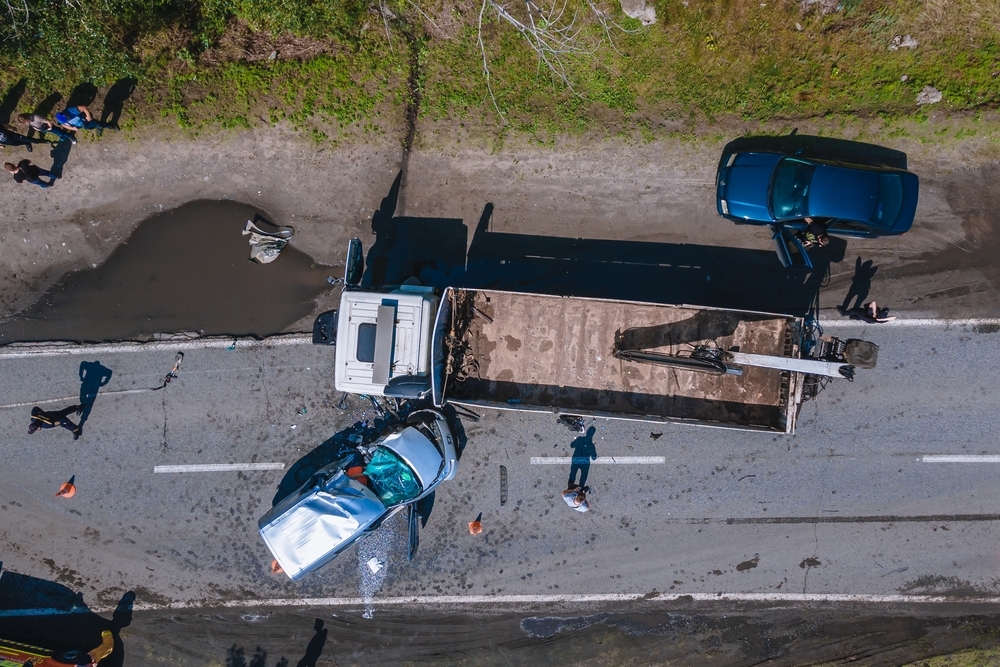
Truck accidents are rarely simple. Unlike a typical car crash, a truck accident often involves multiple parties, layers of insurance, and federal safety regulations. Determining who is legally responsible is one of the most important steps in recovering compensation, and it is also where many victims get stuck.
If you or a loved one was injured in a truck accident in Arizona, understanding who may be held liable can help you see why these cases require immediate legal attention.
Why Truck Accident Liability Is More Complicated
Commercial trucks are larger, heavier, and subject to strict safety rules. When something goes wrong, responsibility does not always fall on just the driver. In many cases, liability extends to companies that profit from putting trucks on the road.
Insurance carriers know this and often work quickly to shift blame, limit payouts, or protect corporate interests. Identifying all responsible parties early is critical.
The Truck Driver
The truck driver may be liable if their actions caused or contributed to the crash. Common examples include:
- Speeding or driving too fast for conditions
- Distracted driving, including phone use or GPS adjustments
- Fatigued driving due to long shifts or hours of service violations
- Driving under the influence of drugs or alcohol
- Aggressive driving or unsafe lane changes
Even if the driver was an employee following company instructions, they can still be named in a personal injury claim.
The Trucking Company
In many Arizona truck accident cases, the trucking company is one of the primary liable parties. Companies can be held responsible for:
- Hiring unqualified or poorly trained drivers
- Encouraging drivers to violate federal safety rules
- Failing to monitor hours of service logs
- Poor vehicle maintenance practices
- Ignoring safety complaints or prior violations
Trucking companies often carry large insurance policies, which is why their insurers fight aggressively to reduce exposure.
The Cargo Loading Company
Improperly loaded cargo is a major cause of serious truck accidents. A separate cargo company may be liable if:
- Cargo was overloaded
- Loads were unbalanced
- Freight was not properly secured
- Hazardous materials were handled incorrectly
Shifting or falling cargo can cause rollovers, jackknife accidents, or catastrophic roadway hazards.
The Truck or Parts Manufacturer
Some truck accidents are caused by mechanical failure rather than driver error. Manufacturers may be held responsible if a defective part contributed to the crash, including:
- Brake failures
- Tire blowouts
- Steering or suspension defects
- Faulty coupling devices
- Defective lighting or visibility equipment
These cases often involve product liability claims and require technical investigation.
Maintenance and Repair Companies
If a third party was responsible for inspecting or repairing the truck, that company may share liability. This includes situations where:
- Required inspections were skipped
- Repairs were performed incorrectly
- Worn parts were not replaced
- Safety defects were ignored
Maintenance records often play a key role in proving negligence.
Government Entities in Rare Cases
In limited situations, a government agency may be liable if dangerous road conditions contributed to the accident, such as:
- Poor road design
- Missing signage
- Unaddressed hazards
- Inadequate road maintenance
Claims involving government entities follow strict deadlines and notice requirements in Arizona, making early legal action essential.
Can More Than One Party Be Liable?
Yes. In fact, many truck accident cases involve multiple liable parties. Arizona follows a comparative fault system, meaning responsibility can be shared across several defendants.
This is why early investigation matters. If one party is missed, you could lose access to a critical source of compensation.
Why Identifying Liability Quickly Matters
Truck accident evidence can disappear fast. Black box data, driver logs, maintenance records, and onboard camera footage may be lost or overwritten within weeks.
Insurance companies begin building their defense immediately. Waiting too long can limit your options and weaken your claim.
What Compensation May Be Available
When all responsible parties are identified, compensation may include:
- Medical expenses and future treatment
- Lost income and reduced earning capacity
- Pain and suffering
- Long-term disability or disfigurement
- Wrongful death damages for surviving family members
The value of a truck accident case often depends on uncovering the full scope of liability.
When to Speak With a Truck Accident Lawyer in Arizona
If a commercial truck was involved in your accident, it is never just a routine crash. These cases require experience with federal trucking regulations, corporate insurance strategies, and high-stakes litigation.
Speaking with a truck accident lawyer as soon as possible helps protect your rights, preserve evidence, and identify every party that may be held accountable. Contact Silkman Law Firm today!

A sudden injury is a painful, even overwhelming experience. In the moment, it’s hard to think about anything else. Yet, for many accident victims, this initial shock and distress are only the beginning. The real challenge often begins once the dust settles and the longer-term implications start to manifest. These can range from mounting medical bills and lost wages to the need for ongoing rehabilitation and the potential for permanent disability.
Here’s what you can expect — and how personal injury attorneys in Phoenix, like us at Silkman Law Firm, can help you face the future with optimism and dignity.
Medical Expenses Beyond Initial Treatment
For many serious injuries, emergency care is only the first of many medical expenses, and many victims struggle to pay their health insurance premiums after a car accident, truck accident, or other type of catastrophic accident. Victims of severe accidents often require a comprehensive and long-term treatment plan that involves future medical care, including the following:
- Surgeries – Many injuries necessitate multiple surgeries, both immediate and reconstructive, which can run into the tens of thousands of dollars or more. These surgeries often involve pre-operative and post-operative care, specialized equipment, and extended hospital stays.
- Medications – Prescription medications are a critical part of recovery, helping to manage pain, prevent infections, and facilitate healing processes. The cost of prescription drugs can vary widely depending on the type and duration of medication required.
- Rehabilitation – Physical therapy is crucial for restoring function and mobility after an injury. Permanent injuries like spinal cord injuries (SCIs) and other physical disabilities may require a lifetime of rehab treatment and other forms on ongoing medical care.
- Occupational and Behavioral Therapy – Certain injuries can be life-altering, requiring a patient to undergo occupational therapy to relearn daily tasks or modify their living and working environments. Behavioral therapy can help manage the psychological repercussions of trauma and the stress of recovery.
Lost Wages and Reduced Earning Capacity
Severe injuries and lingering impairment can affect a patient’s ability to work, which can compound the cost of medical expenses. The immediate loss of income while recovering is just one aspect, as long-term disability can alter the course of an accident victim’s career trajectory. This form of financial impact comes in two general types:
- Lost wages encompass the immediate income lost due to time spent away from work for recovery and medical treatment. For many, this can mean weeks or even months without a paycheck, during which time bills and everyday expenses continue to accumulate.
- Reduced earning capacity arises from severe injuries that permanently affect an individual’s ability to perform their job at the same capacity as before, or even to work at all. This can mean a forced shift to a less demanding, lower-paying role or the inability to work full-time, dramatically altering their long-term financial outlook and career advancement opportunities.
Costs of Home Modifications and Assistive Devices
Injuries that limit mobility or functionality might necessitate modifications to one’s living environment and the use of assistive devices to manage daily activities. These adjustments and tools are essential for maintaining independence but can be costly.
Common home modifications include the following:
- Installation of ramps for wheelchair access
- Widening of doorways to accommodate mobility aids
- Modification of bathrooms with grab bars and walk-in tubs or showers to enhance safety and accessibility
- Addition of stairlifts or home elevators for multi-story homes
Long-term disability may also require assistive devices, such as:
- Wheelchairs, both manual and electric
- Prosthetic limbs and orthotic devices
- Hearing aids and specialized communication devices
- Smart home devices designed to assist with everyday tasks, like voice-activated systems or customized control panels
- Specialized vehicle enhancements to make them operable given the driver’s impairment
Emotional and Psychological Costs
While many of the costs associated with an accident are personal rather than financial in nature, treating and adapting to them often has an economic impact. The trauma of an accident and the subsequent recovery process can take a toll on one’s mental health, potentially necessitating professional intervention and support for the following:
- Emotional Distress – The initial trauma of the accident, coupled with the stress of physical recovery, can lead to feelings of frustration, anger, and sadness.
- Anxiety and Depression – Ongoing pain and suffering, lifestyle changes, and financial worries contribute to anxiety and depression, which can become debilitating without proper treatment.
- Post-Traumatic Stress Disorder (PTSD) – Those who survive traumatic experiences like severe accidents often develop PTSD, which involves prolonged psychological distress following an emotionally overwhelming event. Symptoms may include flashbacks, severe anxiety, and uncontrollable thoughts about the event.
- Loss of Enjoyment of Life – Injuries can prevent a person from participating in activities they once enjoyed, making it harder for them to enjoy their life as they once did.
The emotional and psychological impacts of an injury may necessitate therapy, counseling, and prescription, increasing the cost of an injury over time.
Legal Fees and Settlement Considerations
Personal injury law allows those who have been injured due to the legal fault of others to seek compensation from those at-fault parties.
If you’re asking yourself, “Do I Need a Personal Injury Attorney?,” you are probably concerned about legal costs. Crucially, most personal injury attorneys in Phoenix work on a contingency fee basis, meaning they do not charge upfront for their services. Instead, they receive a percentage of the settlement or judgment. Not only does this alleviate the costs of pursuing fair compensation, but because the attorney earns more when their client recovers more money, it aligns their interests with one another. As you meet with attorneys to recover compensation, be sure to ask about other legal fees they may charge, such as filing fees and the costs of securing expert witnesses.
There are also settlement considerations to bear in mind. Most successful personal injury claims settle out of court, meaning the at-fault party agrees to pay a certain amount of money in exchange for the injured party dropping future claims for compensation. The process of negotiating a settlement can be complex and drawn out. It involves calculating past and ongoing expenses, projecting future costs, and negotiating back and forth with at-fault parties and their insurance representatives.
Once the two sides reach an agreement, they must determine how the settlement will be paid out — either as a lump sum or through a structured settlement providing regular payments over time. While a lump sum is typically preferable for the injured party because of the greater flexibility it provides, insurance companies often prefer structured settlements that allow them to defray the cost over time.
Contact Our Phoenix Personal Injury Lawyer for Help
Are you suffering in the aftermath of an injury someone else caused? Are you worried about the long-term financial implications and wondering how to choose a personal injury attorney in Phoenix? Don’t wait another moment. Contact Silkman Law Firm right away and let us seek the money you need for your future well-being, all at no upfront cost to you.
About the Author

Alex Silkman is the founder and managing member of Silkman Law Firm Injury & Accident Lawyer. A Personal Injury Lawyer in Phoenix AZ, he focuses exclusively on personal injury, motorcycle accidents, truck accidents, and wrongful death cases, with the goal of getting truly just results for accident victims and their families.
Past personal injury cases have included $2.4 million dollars awarded in a wrongful death motorcycle crash, $2.2 million in a malpractice settlement, and a $450,000 award from a car crash resulting in a thoracic vertebrae compression fracture and a fractured clavicle.

Car accidents in Arizona can happen for many reasons, but bad weather conditions are a significant factor. Weather-related car accident statistics for the Grand Canyon State show that, in a recent year, there were 122,247 auto crashes, nearly 1,200 of which were fatal.
If you or a loved one has injuries from a weather-related auto accident, you could pursue compensation if another party’s negligence played a role in the crash.
Common Forms of Bad Weather That Cause Car Accidents
Arizona’s weather is known for its extremes. While many picture the state as hot and dry, it can also experience sudden downpours, high winds, flash floods, and even snow. The following are some of the inclement weather conditions that can contribute to car accidents:
- Dust Storms (Haboobs) – Dust storms often sweep across Arizona’s highways, especially in desert regions, reducing visibility to near zero and making it challenging for drivers to see the road or other vehicles. While public safety programs have helped reduce the number of crashes during dust storms, accidents with injuries still occur when conditions change quickly or drivers don’t heed warnings.
- Monsoon Rains and Flash Flooding – Even light rain can make roads slick, especially after prolonged dry spells, but monsoon season takes it further. This type of adverse weather event heavy rain, strong winds, and flash floods that can occur without warning, washing over roads and making it difficult for drivers to maintain control. These sudden storms can quickly turn highways into dangerous zones, with low visibility and unexpected flooding.
- Extreme Heat and Tire Blowouts – Arizona’s scorching heat can be brutal on vehicles, especially tires. Prolonged exposure to extreme temperatures can cause tire pressure to rise, increasing the risk of blowouts. When a tire fails at high speed, it can be difficult to maintain control, leading to accidents. Drivers should check their tire pressure regularly and ensure they have tires suited for the heat.
- Fog and Reduced Visibility – Although less common, fog can settle in parts of Arizona, reducing visibility to dangerous levels. This makes it difficult for drivers to see road signs, other vehicles, and obstacles. When fog is dense, drivers must slow down and use low-beam headlights to reduce the risk of collisions, but sudden changes in visibility can still catch drivers off guard.
- Snow and Ice in Northern Arizona – Northern Arizona experiences snow and ice during winter, especially in higher elevations like Flagstaff. Roads can become icy and treacherous, making it easy to lose vehicle control on icy pavement. Snow can obscure road markings, while black ice can make braking and steering hazardous. To avoid accidents, drivers in these areas must take extra precautions, such as using snow tires and reducing speed.
How Can an Attorney Help?
If bad weather played a role in your accident, understanding who is at fault can be complicated. Arizona uses an “at-fault” system, which means the driver responsible for the accident can be held liable for the injured party’s injuries and losses. The insurance company may argue that the weather was solely to blame. However, drivers are still responsible for maintaining control of their vehicles. You may still seek compensation if they drove recklessly in hazardous weather conditions.
An Arizona car accident lawyer can explain your legal options and whether you have a strong case for seeking compensation after a weather-related accident. There are several steps in pursuing money for your accident-related injuries that an attorney can handle for you:
- Determining Fault – An attorney can analyze the accident details and weather conditions to prove negligence, even when bad weather is involved. They can demonstrate how the other driver failed to adjust their behavior, strengthening your claim.
- Gathering Evidence – Lawyers can gather and examine crucial evidence, such as police reports, weather data, and witness statements. They’ll document all evidence properly, building a stronger case on your behalf.
- Filing an Insurance Claim – An attorney can handle the complex paperwork involved in filing your insurance claim. They’ll meet all deadlines and present your case in a way that increases the chances of a favorable outcome.
- Negotiating for Maximum Compensation – Skilled attorneys regularly deal with insurance companies to secure the maximum settlement. Your lawyer will counter insurers’ tactics to minimize payouts and push back effectively to pursue the money you deserve.
- Protecting Your Rights – An attorney will safeguard your rights throughout the process, preventing insurers or other parties from taking advantage of you. They’ll advise you on the best course of action and prioritize your interests.
- Filing a Lawsuit – If a fair settlement isn’t possible, your attorney can file a lawsuit on your behalf and represent you in court. They’ll present the evidence, make legal arguments, and advocate for the compensation you deserve in front of a judge or jury.
The compensation available after car accidents caused by weather conditions in Arizona depends on the specifics of each case. The following are some of the types of compensation you might be able to claim:
- Medical Expenses – Hospital stays, surgeries, medications, physical therapy, and future medical care can all add up quickly.
- Lost Wages – Injuries that keep you out of work can impact your income. You can seek compensation for any lost wages, and if your injuries prevent you from returning to your previous job, you may also claim compensation for lost earning capacity.
- Pain and Suffering – Bad weather accidents can be especially traumatic, and these damages help account for the physical and mental toll they take.
- Property Damage – If the crash damages your vehicle, you can pursue compensation for repairs or replacement to help cover those costs.
Contact Our Phoenix Car Accident Lawyer to Learn More
Dealing with the aftermath of a car accident caused by bad weather can be stressful, especially if you or a loved one has been injured. But you shouldn’t have to pay for someone’s carelessness. An experienced Phoenix car accident attorney can help you seek the compensation you deserve, allowing you to focus on healing and moving forward.
Attorney Alex Silkman focuses his award-winning legal experience on helping injured Arizonians after car accidents due to weather conditions (among other causes) and other personal injuries. There are no gatekeepers if you are a client of the Silkman Law Firm Injury & Accident Lawyer. You work directly with an experienced attorney who is happy to answer your questions and inform you about your case.
If you’ve been in a car crash caused by someone’s failure to be cautious in Arizona’s unpredictable weather, contact Silkman Law Firm Injury & Accident Lawyer. You can discuss your case with us at a free, no-obligation consultation and learn your options.
Legal Steps to Take Immediately After a Car Accident

Do you know what to do after a car accident? In the moments after an accident happens, emotions can run high. It’s easy to overlook details or make snap decisions that could impact your legal options later. In Arizona, following specific steps at the accident scene and in the days afterward can protect your well-being and ability to pursue compensation.
Here’s what you should do after a car accident in Phoenix.
Ensure Safety and Call for Help
Safety should always come first after an accident, so you should check yourself and others for injuries as soon as possible. If anyone requires immediate medical assistance, call 911 right away. Once you assess everyone’s condition, move yourself and your vehicle to a safe location if possible. Ideally, you should relocate away from traffic to avoid further danger. Turn on hazard lights to alert other drivers.
Once you’re in a safe location, call for help. Calling the police is a good idea, even for relatively minor accidents. Police officers can secure the accident scene, redirect traffic, and summon emergency responders as necessary. They can also prepare an official report, which insurance companies usually require you to provide when you file an accident claim.
Gather Evidence at the Scene if Possible
Before police arrive to prepare an accident report, you may be able to begin collecting valuable evidence at the crash scene. Collecting evidence at the scene can strengthen your case if you pursue an insurance claim or lawsuit. Exchange information with the other driver. Collect the following information:
- The other driver’s name
- The driver’s contact information, including phone number and address
- The other driver’s insurance company name and policy number
- A description of the other vehicle and vehicle details
- The vehicle identification number, tag number, and license plate number
- The other driver’s license number
Use your cellphone camera to take pictures of the crash scene, including images of all vehicles involved in the crash, vehicle damage, skid marks, road conditions, and any traffic signs. Capture the entire scene to show context, and make sure you take close-ups of any specific damage or visible injuries. If any witnesses are present, request their names and contact details in case you need their statements for your claim.
If you are physically unable to gather evidence, ask someone you trust, like a friend, family member, or personal injury lawyer, to help. You can also rely on police reports, witness statements, and any footage from nearby security or traffic cameras. If you were taken from the scene to the emergency room before you could document the scene, you or your car accident lawyer in Phoenix can contact witnesses later for statements or request a copy of the incident report.
Avoid Admitting Fault
Avoid making any statements to anyone that might imply fault while your personal injury claim is pending. Insurers and defense attorneys might interpret casual remarks or apologies as admissions of fault. Even saying “I’m sorry” to another party could be used as evidence that you admitted responsibility for the car crash. Instead, stick to the facts when you speak to others at the scene, police officers, or insurance representatives.
If you talk to the other driver, exchange contact and insurance information, but avoid discussing what caused the accident. Focus on gathering relevant information without expressing opinions or making comments that could be misinterpreted. This careful approach can protect you from costly mistakes or unintended consequences if other parties review your statements later on in a claim or lawsuit. Let investigators determine fault based on the evidence rather than on any comments you made right after the auto accident.
Seek Medical Attention
Seeking prompt medical care is one of the most important legal steps you can take after an accident, even if you don’t feel injured. Sometimes, injuries like whiplash, concussions, or soft tissue damage don’t show symptoms immediately. It’s common for people to begin experiencing neck or back pain after a car accident in the days or weeks that follow. A doctor can identify and treat these hidden injuries early and create documentation that can support any future insurance claims or legal cases you bring.
If you didn’t already receive emergency medical attention right after the accident, go to the hospital or your primary care provider as soon as possible. Delaying medical care could raise doubts about the severity of your injuries, which can weaken your case if you decide to file a claim. Following a medical professional’s advice and keeping medical records of your visits, diagnoses, and treatments can protect your health and generate critical documentation if you need to pursue compensation later.
Notify Your Insurance Company
You may be required to notify your insurance company about the accident soon after it occurs, according to the terms of your insurance policy. Most insurers have specific deadlines for reporting accidents, so check your policy to ensure you comply. You might have just days or weeks to notify your insurer and protect your ability to file a claim. You may have insurance coverage to help with some of your accident-related losses, such as payment for a rental car, collision coverage for repair costs at a body shop, or insurance to cover your accident-related medical treatment.
While you need to report the accident promptly, remember to be cautious with your statements – even when dealing with your own insurance company. Insurance companies want to protect their profits and do so by minimizing the value of claims – even from their own insured policyholders. Stick to sharing essential information, such as the date, location, and a brief description of the accident. Avoid guessing about the cause of the accident or admitting fault, as insurance adjusters could use these statements to deny your claim. If your insurance company asks for a recorded statement, consult a knowledgeable personal injury attorney before providing one. They can help you prepare for insurance conversations to protect your rights and avoid saying anything that could weaken your claim.
Keep Detailed Records
Remember to maintain a record of all accident-related expenses after the collision. This includes medical bills, pharmacy receipts, vehicle repair estimates, pictures of your damaged car, employment records that show your lost wages, and any transportation costs for medical appointments. Document any time you missed at work and any resulting income losses due to the accident, including any sick leave or vacation time you had to use during your recovery.
In addition to medical expenses and income losses, keep track of any other financial consequences of the accident. For instance, if you needed help around the house because of your injuries or had to repair or replace personal items damaged in the accident, these costs will be relevant. Keep your records of these expenses organized in case you must pursue compensation through an insurance claim or lawsuit. Detailed documentation makes it easier to demonstrate the accident’s full impact on your daily life.
Contact a Phoenix Personal Injury Attorney for a Free Consultation
If you’ve been injured in an accident, the most important step you can take to protect your legal rights is to consult a Phoenix, AZ car accident lawyer. They can help you determine what to do after a car accident and handle the insurance claim process of seeking compensation for your losses while you focus on healing. At Silkman Law Firm, we offer free initial consultations so you can get advice on your situation without any financial commitment. Contact us today to discuss your case and strategize your next steps with an attentive and compassionate attorney.
About the Author
Alex Silkman is the founder and managing member of Silkman Law Firm Injury & Accident Lawyer. A Personal Injury Lawyer in Phoenix AZ, he focuses exclusively on personal injury, motorcycle accidents, truck accidents, and wrongful death cases, with the goal of getting truly just results for accident victims and their families.
Past personal injury cases have included $2.4 million dollars awarded in a wrongful death motorcycle crash, $2.2 million in a malpractice settlement, and a $450,000 award from a car crash resulting in a thoracic vertebrae compression fracture and a fractured clavicle.

The big question many crash victims struggle with is when to call a lawyer after a car accident. Most people hurt in minor collisions don’t believe their case deserves the time and resources an experienced car accident attorney offers. They may also feel they can quickly negotiate with the insurance company without involving a lawyer in the insurance claims process.
Car accident compensation in Arizona can be tricky. Even with minor crashes and fender benders, it may be in your best interest to contact a car accident attorney in Phoenix to help you understand your legal rights and avoid being taken advantage of by an insurer.
What Qualifies as a Minor Car Accident?
Car crashes involving low speeds, minimal physical injury, and lesser impacts fall into the category of minor accidents. Often, minor collisions cause relatively insignificant injuries and slight body damage to vehicles. Fender benders are an excellent example of a minor motor vehicle accident. These impacts tend to occur at low speeds, causing minimal bumper damage and few injuries.
Other examples of what may be considered minor car accidents include:
- Parking lot accidents
- Sideswipe accidents
- Rear-end collisions
- Hitting a curb or stationary object at low speed
Typically, a minor collision only damages the vehicle’s body and does not prevent the car from operating.
Common Injuries from Minor Car Accidents
Although they are minor accidents, low-impact and low-speed collisions can still cause injuries. Some of the most common injuries associated with minor car accidents in Phoenix include:
- Concussions
- Whiplash
- Cuts and bruises
- Sprains
- Strains
- Superficial injuries
A medical professional can treat most minor injuries, and these wounds usually do not require significant hospitalization. Rest and over-the-counter pain relievers may be the best treatment options.
Common Issues After a Minor Car Accident
You should be aware of the following frequent challenges and mistakes after a minor collision:
Not Treating the Crash Seriously
One of the most common issues following a minor auto accident is the relaxed attitude some drivers take when evaluating the initial situation. When only minimal damage or injuries are involved, the other driver may try to convince you to avoid contacting the authorities and handle things privately between you. This is often one of the worst ways to handle a crash, even a minor one.
Comprehensive documentation is the key to recovering fair compensation for injuries and financial losses. That means you need a police report, photographs from the scene, and all parties’ insurance information. Failing to treat the accident as a significant event can hurt you when you try to negotiate for the money you need. It is never wise to trust that the other driver will properly compensate you in exchange for keeping their insurance company out of the equation.
Not Seeing a Doctor
Another problem with minor car accidents is that you may not feel the need to visit a medical professional for minimal injuries. This is a mistake. You need medical documentation to prove you were injured and seek meaningful compensation. Your health may also be at risk because even minor injuries can become significant when they are not discovered and managed promptly.
Accepting a Low-Ball Settlement
Never accept an initial settlement offer without consulting a minor car accident attorney. The other driver or insurance company wants to settle the matter quickly and cheaply. They are hoping you accept their first offer without question, allowing them to pay you off for pennies and move on with their lives. Talking to an attorney is the best way to understand your rights and legal options for pursuing the compensation you deserve.
When Should You Contact a Lawyer?
It never hurts to contact a lawyer for your minor car accident in Phoenix as soon as possible. Involving an attorney allows them to advise you about the best way to move forward with seeking the compensation you need to cover your losses.
Talking to an attorney quickly is also in your best interest because your attorney can investigate the cause of the crash and gather crucial evidence before it is lost or destroyed. They can then have the tools to negotiate maximum compensation on your behalf.
Discussing your situation soon after a collision provides you with peace of mind. You do not have to worry about the stress and frustration of managing a claim on your own. You can focus on moving forward with your life and let your attorney fight for you.
How a Lawyer Can Help After a Minor Car Accident
A lawyer working on a minor car accident in Phoenix can advocate for you. They are your first defense when protecting your legal rights and handling the sometimes confusing and complicated insurance claims process. You can trust an experienced lawyer to help you by:
- Investigating the cause of the minor collision
- Collecting and preserving evidence
- Communicating on your behalf with the parties and insurers involved
- Negotiating for maximum compensation
- Advocating for you during the claims process
- Filing a personal injury lawsuit when necessary
- Representing you in court if you must take your case to trial
A Phoenix car accident attorney can manage every aspect of the claims process from start to finish, allowing you the time you need to heal and recover from your mental and physical injuries. Don’t fall for the myth that you don’t need an attorney after a minor car crash. No matter the circumstances, you deserve comprehensive legal representation.
Contact Our Phoenix Car Accident Lawyer for Help
At Silkman Law Firm Injury & Accident Lawyer, our legal team focuses on helping you pursue the money you deserve after a collision. Whether the crash that harmed you was big or small, we understand that you deserve our undivided attention and personalized legal advice.
Our team has extensive experience recovering millions for our deserving clients, including many high-five and six-figure settlements for some clients in “minor collisions.” We work to build a personal relationship with each client, helping them through the whole process of filing a car accident claim. Past clients say: “You just can’t imagine how much there is to do even when it’s not your fault. We would highly recommend Silkman Law Firm Injury & Accident Lawyer.”
Contact our Phoenix office today to demand everything you’re owed. We offer a free case review to help you understand your legal rights and how we can help you pursue compensation for your injuries and financial losses, even after a minor car accident.
About the Author
Alex Silkman is the founder and managing member of Silkman Law Firm Injury & Accident Lawyer. A Personal Injury Lawyer in Phoenix AZ, he focuses exclusively on personal injury, motorcycle accidents, truck accidents, and wrongful death cases, with the goal of getting truly just results for accident victims and their families.
Past personal injury cases have included $2.4 million dollars awarded in a wrongful death motorcycle crash, $2.2 million in a malpractice settlement, and a $450,000 award from a car crash resulting in a thoracic vertebrae compression fracture and a fractured clavicle.

Many riders enjoy adding custom modifications to personalize their bikes. These customization’s involve making the motorcycle reflect the rider’s style or increase comfort, functionality, or performance. However, federal and state regulations impose various safety requirements for motorcycles. Some modifications may cause a motorcycle to be out of compliance with these safety rules.
As a result, riders who install illegal modifications on their bikes may face consequences such as fines or the non-renewal of their registration due to non-conformance. Perhaps a bigger issue though, modifications that adversely affect a motorcycle’s safety and may have a big impact on the outcome of an injury case if you are hurt in an accident.
Key Aspects of Legal Compliance in Safety
When customizing a motorcycle, an owner must ensure that all modifications comply with federal and state requirements for motorcycles. Many of these requirements ensure that riders can safely operate their motorcycles. Regulations typically affect motorcycle parts commonly modified by owners, such as:
- Handlebars
- Windscreens
- Headlights
- Taillights
- Turn signals
- Reflectors
- Horns
- Brakes
- Mufflers and exhaust systems
Before installing modifications, riders should ensure that the custom part will meet applicable safety standards under state and federal regulations. In some cases, registering or renewing the registration of a customized motorcycle will require an owner to obtain a specialized inspection to confirm that the motorcycle still meets safety standards.
Understanding Regulatory Bodies and Standards
At the federal level, the National Highway Traffic Safety Administration (NHTSA) issues regulations for motorcycle safety standards. These regulations primarily apply to motorcycle manufacturers to ensure that manufacturers and dealers sell safe-to-ride motorcycles.
However, each state’s transportation or highway department will also issue safety regulations for motorcycles registered there. State regulatory bodies will set specific safety rules and requirements for motorcycles, such as maximum handlebar height, braking requirements, lighting requirements, or decibel levels for motorcycle exhausts. State regulatory agencies can also set special requirements for customized motorcycles, such as requiring a specialized inspection after installing modifications or requiring owners to carry insurance that expressly covers the modifications.
When Do Custom Motorcycles Break Compliance?
Custom motorcycles may violate state and federal safety regulations by exceeding the limits or not following the requirements for motorcycle parts. Custom motorcycle part manufacturers may manufacture parts that are legal in some states but not in others. Some manufacturers sell parts that are not permitted in any state, placing the consequences of purchasing and installing those parts on the motorcycle owner. Typical situations of custom motorcycles breaking compliance with state and federal rules include:
- Installing “ape hanger” or other types of handlebars that exceed height restrictions
- Installing front or rear lights in non-standard colors (e.g., non-white headlights or non-red or amber rear lights)
- Installing excessively loud exhaust systems or removing the motorcycle’s muffler
- Installing spikes or other protrusions on the side of the motorcycle
- Installing an aftermarket passenger seat (safety rules often only permit manufacturer-installed passenger seats)
Does this mean that installing aftermarket ape hanger bars on your motorcycle makes you somehow partially at fault if you are involved in an accident? No, not necessarily. But if those 20” ape hanger bars, or perhaps the 350mm custom wide tire kit you installed had such a negative effect on your bike’s handling that you could not avoid the accident, an insurance company may very well try to blame you for some (maybe all) of the fault for the crash. This is especially the case if the modifications violate state or federal safety standards as mentioned above.
Contact Our Phoenix Motorcycle Accident Attorney to Learn More
If you were injured in an accident, you need an experienced motorcycle accident attorney to protect your rights and interests. Contact Silkman Law Firm Injury & Accident Lawyer today for a free consultation with a Phoenix motorcycle accident lawyer. We’ll discuss your options for seeking compensation for your injuries and other losses through a motorcycle crash accident settlement.
About the Author
Alex Silkman is the founder and managing member of Silkman Law Firm Injury & Accident Lawyer. A Personal Injury Lawyer in Phoenix AZ, he focuses exclusively on personal injury, motorcycle accidents, truck accidents, and wrongful death cases, with the goal of getting truly just results for accident victims and their families.
Past personal injury cases have included $2.4 million dollars awarded in a wrongful death motorcycle crash, $2.2 million in a malpractice settlement, and a $450,000 award from a car crash resulting in a thoracic vertebrae compression fracture and a fractured clavicle.

New automotive technologies are rapidly transforming how we drive, offering features like advanced driver assistance systems (ADAS), automatic braking, and collision avoidance. These innovations are designed to improve driving safety, reduce accidents, and save lives. However, while they may lower accident rates, these systems don’t always perform flawlessly, and they can also complicate accident claims and liability issues.
Overview of Automotive Technology Advancements
Today’s cars have advanced automotive technology, including new safety features meant to protect drivers, passengers, and even pedestrians. Along with features like rear-view cameras and varying degrees of autonomous vehicles, ADAS help drivers avoid dangerous situations. While the specific features vary among brands and models, an ADAS often includes blind-spot monitoring, automatic braking, and lane departure warnings.
How Technologies Improve Driver Assistance
While rear-view cameras help drivers see obstacles behind them to avoid a crash, newer car technologies included in an ADAS often act automatically to keep drivers safe. The features in these systems often include:
- Blind-Spot Monitoring – This system alerts drivers when another motor vehicle is in their blind spot, helping them avoid side collisions while changing lanes. It uses radar and other sensors to detect objects in areas that are hard for drivers to see.
- Automatic Emergency Braking (AEB) – AEB kicks in when a car detects an impending collision. It automatically applies the brakes to prevent or reduce the impact of a crash. This feature is particularly useful when a driver doesn’t have time to react to a sudden emergency.
- Lane-Departure Warning – This system alerts drivers if they unintentionally drift out of their lane. It uses cameras or sensors to monitor road markings and warn drivers when their vehicle crosses them without signaling.
- Adaptive Cruise Control – This technology adjusts the vehicle’s speed to maintain a safe distance from the car in front. It automatically slows down and speeds up as necessary, making highway driving less stressful (in theory).
- Pedestrian Detection – This system identifies pedestrians and cyclists in a vehicle’s path and alerts the driver. Some pedestrian detection systems automatically apply the brakes if a collision seems imminent.
Potential Risks and Challenges
While ADAS and other new technologies aim to reduce accidents, they can also introduce new risks and challenges. One major concern is that these systems don’t always work as designed. Features like automatic braking or lane-keeping assistance can malfunction, potentially causing accidents instead of preventing them. Furthermore, drivers may over-rely on these systems, assuming they’ll handle all the safety work. This lack of engagement by drivers can lead to more dangerous situations when these new systems fail.
Another challenge is the complexity of these systems. Not all drivers fully understand how ADAS or other new safety features work, leading to confusion or misuse. Some drivers might not know how to respond when a system issues a warning or takes control of the vehicle. Additionally, if an accident occurs due to a system failure, proving who caused the accident can complicate insurance claims and legal cases.
Accidents Prevented by Technology
So, do ADAS and other new features make cars safer? Research is ongoing, but there is some promising news. A recent study from the Insurance Institute for Highway Safety (IIHS) found a 14 percent drop in accident rates among cars with blind-spot warning systems. When researchers focused solely on crashes with injuries, there was a 23 percent decrease in accident rates. While this is just one data point, it suggests that new safety features can reduce the number of accidents.
Can ADAS Cause Car Accidents?
While some evidence supports including advanced safety features in cars, these technologies don’t always work as designed and have caused accidents. Autonomous cars, in particular, have proven dangerous when these systems don’t work correctly. In 2018, a self-driving Uber car struck and killed a pedestrian here in Arizona. Though the car had a human driver behind the wheel when the crash occurred, she didn’t intervene in time to prevent the collision when the car’s automatic pedestrian detection system failed.
Unfortunately, the Uber crash in Arizona is one of hundreds of such incidents across the country. While new technologies undoubtedly have the potential to reduce collisions, it’s clear these systems still need work.
Changing Dynamics of Liability
New safety technologies like automatic braking and lane-keeping assistance can complicate the process of determining liability in a car accident. If a feature like an automatic braking system fails and causes a crash, figuring out who’s responsible isn’t always straightforward. Is the driver liable for not paying attention, or is the automaker at fault for producing a faulty system? The software designer who created the code that controls the vehicle’s response might be liable because the software failed.
These questions can make car accident cases more complex, especially when multiple parties are involved. Injured drivers or passengers may have a more challenging time recovering fair compensation if there’s uncertainty over whether the technology, the driver, or another company should be held responsible.
Adapting Traffic Laws and Regulations
Another issue with the increased availability of automatic safety features in cars is that traffic laws and regulations often lag behind new technology in the automotive industry. Without clear rules to determine the liable parties when accidents occur, victims may have trouble enforcing their rights and recovering fair compensation. States may also adopt different laws, further complicating a legal case after an accident.
Changes in Liability Frameworks and Insurance Policies
Traditional car accidents usually involve holding one or more drivers responsible for the crash. However, when a safety feature like automatic braking or pedestrian detection fails, the responsibility could shift to the automaker, the software developer, or the parts manufacturer. This shift creates new challenges for accident victims trying to prove liability and recover compensation for their losses.
Insurance companies are also adjusting their policies to account for these new technologies. Some may require additional coverage for tech-related failures, while others may try to avoid a car accident claim by shifting blame to the automaker or another third party. As these frameworks shift, victims could face longer, more complex legal battles, making it harder for them to secure fair compensation.
Contact Our Phoenix Car Accident Attorney for Help
If you sustained injuries in a car accident resulting from faulty technology, trust Silkman Law Firm Injury & Accident Lawyer to protect your rights. We understand the additional legal challenges these cases pose and can fight for justice on your behalf. Personal injury cases are all we do, and you don’t owe us any fees unless we recover compensation for your losses. Call us today or complete our contact form for a free personal injury claim review with a Phoenix car accident lawyer.
About the Author
Alex Silkman is the founder and managing member of Silkman Law Firm Injury & Accident Lawyer. A Personal Injury Lawyer in Phoenix AZ, he focuses exclusively on personal injury, motorcycle accidents, truck accidents, and wrongful death cases, with the goal of getting truly just results for accident victims and their families.
Past personal injury cases have included $2.4 million dollars awarded in a wrongful death motorcycle crash, $2.2 million in a malpractice settlement, and a $450,000 award from a car crash resulting in a thoracic vertebrae compression fracture and a fractured clavicle.

Have you been hurt in a car accident or another type of accident in Phoenix? You’re likely to hear from someone at an insurance company soon. Knowing how to deal with insurance companies after a personal injury is essential so you don’t make a mistake that could hurt your insurance claim.
Letting our lawyers handle the claims process is the best way to deal with the insurance company after an accident. The personal injury attorneys at Silkman Law Firm are ready to help you with your personal injury claim now.
Be Careful What You Say to Insurance Adjusters
Most people have the instinct to apologize after an accident, even if what happened wasn’t their fault. It’s an understandable impulse, but an insurance company can treat an apology as an admission of fault and use it to deny your claim. Don’t apologize in any way, and think carefully about everything you say to the insurance claims adjuster. The insurance adjuster’s goal is not to help accident victims recover full compensation for their injuries but to protect their company’s profits. Do not provide a recorded statement to the insurance adjuster without your attorney’s advice.
Don’t Accept the First Settlement Offer from the Insurer
The insurance company’s first offer for an accident claim is almost always too low to cover the full extent of your losses because it’s only the starting point for negotiations. Damages in personal injury cases are uncapped in Arizona, so depending on your injuries, you could be turning your back on a much larger settlement. Whatever the company offers you at first, they will almost certainly pay more than that to avoid a personal injury lawsuit. Contact our personal injury lawyers in Phoenix and let us handle the negotiations with the insurance company for you.
Keep Detailed Records
Keep records of everything. That means medical records from every doctor’s visit, all medical bills, pay stubs showing lost income, every notice from the insurance company, and anything else that may help you and your personal injury lawyer fight for maximum compensation.
Let Your Lawyer Handle the Negotiations
Our attorneys have more experience handling negotiations with insurance companies than you do. Injured people with attorneys usually get larger settlements than those without lawyers. No attorney can guarantee success with any claim, but letting our experienced professionals handle negotiations for you is a smart move.
Don’t Sign Anything Without Legal Advice
When you file a personal injury claim after an injury, the insurance company will investigate the accident and assign fault according to its viewpoint. In Arizona, the court will reduce your compensation if you are partially responsible for the accident, so you must watch out for any attempt to get you to admit fault. The insurance company will also assess the extent of your liability for the accident before making a settlement offer, but they have every reason to minimize your actual losses so they can pay you as little as possible. Don’t sign anything the insurance company wants you to sign without talking to our experienced lawyers for personal injury claims.
Contact Our Phoenix Injury Attorney to Learn More
The best advice for anyone injured in an accident is to contact a skilled personal injury lawyer right away. Until a lawyer starts handling your case, minimize what you say to the insurance company and do not admit fault. Give yourself the best chance to obtain the compensation you need and deserve.
Silkman Law Firm, a personal injury firm in Phoenix, offers free case reviews, and a personal injury attorney from our firm would be happy to meet you anywhere that is convenient to discuss your claim, including the hospital or your home. If you’re looking for aggressive representation and excellent service, contact Silkman Law Firm immediately to set up a free consultation to discuss how we can help you seek fair compensation.
About the Author
Alex Silkman is the founder and managing member of Silkman Law Firm Injury & Accident Lawyer. A Personal Injury Lawyer in Phoenix AZ, he focuses exclusively on personal injury, motorcycle accidents, truck accidents, and wrongful death cases, with the goal of getting truly just results for accident victims and their families.
Past personal injury cases have included $2.4 million dollars awarded in a wrongful death motorcycle crash, $2.2 million in a malpractice settlement, and a $450,000 award from a car crash resulting in a thoracic vertebrae compression fracture and a fractured clavicle.
Understanding Comparative Negligence in Arizona

Are you struggling to recover compensation from a personal injury case because another party swears it’s your fault? Or is the insurance company trying to blame you to reduce their payout? These are common disputes in personal injury claims. In cases like these, Arizona’s pure comparative negligence doctrine comes into play.
Comparative negligence applies in legal claims where multiple parties share responsibility for the same incident, and it can significantly impact your financial recovery. Here’s what you need to know about comparative negligence in Arizona, how it can affect your injury claim, and how a Phoenix personal injury lawyer can help.
What Is Comparative Negligence?
Comparative negligence plays a crucial role in personal injury cases where more than one party bears some fault for an accident. Every state applies its own negligence rules in these cases, which directly impact how much compensation a person can recover from a personal injury claim. Arizona uses a pure comparative negligence model, which says you can still recover compensation if you are partially (or even mostly) at fault for an incident.
How Comparative Negligence Works in Arizona
When you file a personal injury claim under the Arizona comparative negligence system, the court examines each party’s role in causing the accident or injury. If you share part of the responsibility, the court will adjust your payout to reflect your percentage of fault. While some states prohibit claimants from recovering compensation if their fault exceeds a certain level, Arizona allows you to recover money even if you are 99 percent responsible.
Let’s say you get hurt in a car accident, and the court finds you 30 percent responsible for the crash. If you claimed $100,000 for your accident-related losses, your maximum payout would be reduced by 30 percent to account for your portion of fault. You would ultimately recover $70,000 in compensation.
How Comparative Negligence Affects Your Compensation
Because comparative negligence reduces your compensation based on your assigned percentage of fault, you could see a significant decrease in the amount of money you receive in your personal injury claim. This reduction can apply to all types of personal injury claims in Arizona, whether you were hurt in a car accident, slip and fall, or other incident.
Whenever liability is in question, it’s crucial to consult an experienced personal injury attorney. Insurance companies often use comparative negligence as an excuse to minimize or dismiss even the most valid claims. If they succeed in proving you carry more responsibility for the accident than you actually do, that’s more money in their pocket and less paid to you. Your lawyer can collect evidence to challenge disputes over fault so you are not unfairly blamed.
Common Scenarios Where Comparative Negligence May Apply
Comparative negligence applies in any situation where two or more parties share responsibility for an injury or accident. Consider these examples:
- Motor vehicle accident – Driver A hits the brakes suddenly in an effort to get Driver B, who is tailgating, to back off. “Brake checking” is illegal in Arizona, but so is following too closely. Under the state’s comparative negligence laws, the court would likely assign fault to both drivers for any resulting injuries.
- Premises liability – You trip and fall on a poorly maintained stairway in someone else’s building. The property owner might argue that you share some fault for the incident because you were intoxicated, not paying attention, or wearing unsafe footwear. In this type of case, the court might split the fault between you and the property owner.
- Product liability – Suppose you suffer an injury while using a power tool. You might claim the tool’s design or a manufacturing defect caused the injury, while the manufacturer may say you misused the tool or ignored its safety instructions. In these circumstances, a court might assign a percentage of fault to both parties and adjust your compensation accordingly.
Cases involving comparative negligence can get especially complex when there are more than two liable parties, so consulting a knowledgeable attorney is wise to best protect your interests and ensure everyone is held fully accountable for their role in causing your injuries.
Dealing with Insurance Companies and Comparative Negligence
When you file a personal injury claim, you can expect the insurer to examine every detail of the accident to determine fault. The insurance adjuster will aim to maximize your level of fault since this will reduce the company’s liability under Arizona’s comparative negligence rules.
Any time you speak to an insurance adjuster, avoid admitting fault or making statements that could imply responsibility. Stick strictly to the facts, provide supporting documentation, and work with an experienced lawyer who can protect you from unfair assignments of fault.
If the insurer assigns you a high percentage of fault, your attorney can help you negotiate or challenge this assessment. In Arizona, injured parties can contest fault allocations, especially if they feel the insurer exaggerated their responsibility. Your lawyer can present strong evidence like witness statements or expert opinions to bolster your claim for a lower fault percentage.
Contact Our Phoenix Personal Injury Attorneys to Learn More
If you need to file an accident claim and want to understand how comparative negligence could impact your compensation, contact Silkman Law Firm Injury & Accident Lawyer today. We offer free consultations so you can discuss your case and explore your options with a Phoenix personal injury attorney with no obligation.
Our personal injury law firm has a history of recovering six-and-seven-figure results for deserving Arizonans, including:
- $2.4 million for a wrongful death case involving a motorcycle crash
- $2.2 million in a medical malpractice claim
- $450,000 for a car accident victim who suffered multiple spinal fractures and a broken collarbone
Put our legal team to work for you, too. Contact us now to get started with your free consultation.
About the Author
Alex Silkman is the founder and managing member of Silkman Law Firm Injury & Accident Lawyer. A Personal Injury Lawyer in Phoenix AZ, he focuses exclusively on personal injury, motorcycle accidents, truck accidents, and wrongful death cases, with the goal of getting truly just results for accident victims and their families.
Past personal injury cases have included $2.4 million dollars awarded in a wrongful death motorcycle crash, $2.2 million in a malpractice settlement, and a $450,000 award from a car crash resulting in a thoracic vertebrae compression fracture and a fractured clavicle.
What Happens if I Get into an Accident Out-of-State?

What happens if I get into an out-of-state accident? Most people don’t realize what a challenging ordeal this can be until they are in this situation themselves. Do you file an insurance or personal injury claim in your own state, the state where the other driver lives, or the state where the accident occurred? Is there any way to get around the jurisdictional challenges involved?
The simplest option is often to file in the state where the accident occurred, but you may be able to file in your own state, depending on the circumstances. Working with a car accident lawyer with experience handling issues related to jurisdiction in cross-state car accident claims can make this process much less stressful. If you’ve been in an accident out of state, a Phoenix car accident lawyer can determine the proper jurisdiction in which to take action.
Understanding Jurisdiction in Cross-State Car Accidents
Jurisdiction in car accident cases is usually straightforward. For example, suppose an Arizona resident gets in a car crash with another Arizona resident in Arizona. In that case, they will file a claim in the state where the accident occurred and where both drivers live.
However, cross-state car accident claims are more complicated than that. Who has jurisdiction if you get into an accident out of state? What if neither driver is from the state where the accident occurred? While you would always file your insurance claim with the other driver’s insurance company, what happens if the insurance company does not offer a reasonable settlement and you need to file a lawsuit?
The simple answer is to file your suit wherever the accident occurred. The courts in that state have jurisdiction. If you were injured in Nevada, you can file in Nevada. If you were injured in California, you can file a lawsuit in California. Your attorney will know whether to file in state court or county court.
Common Jurisdictional Challenges in Cross-State Claims
There are some situations in which a lawyer may be able to challenge jurisdiction. If you’re injured in an accident in Arizona but the other driver is from New York, you might not want to travel to New York to file a lawsuit. If the New York driver has what is known as “minimum contacts” with Arizona, you may be able to file in Arizona instead. This phrase simply means that they have a connection to the state, allowing that state to claim jurisdiction. For instance, a New York driver who comes to Arizona every year or owns a business in Arizona might have a sufficient connection to the state to allow you to file in Arizona.
The same logic applies if you are injured in New York but wish to file in your home state of Arizona. If the other driver has minimum contacts with Arizona, you might be able to file in Arizona instead of New York. The laws governing personal injury cases vary from one state to another, so you should ask your lawyer whether there is any advantage to filing in the state where you were injured rather than your home state.
You should also ask your lawyer whether there is any advantage to filing in federal court rather than state court. Federal courts have jurisdiction in cases involving citizens of two states and damages of at least $75,000, so you may wish to consider federal court if your claim meets that threshold.
Legal Solutions to Cross-State Car Accident Claims
Legal solutions in a cross-state car accident claim depend on the specifics of the accident. For example, if you’re an Arizona driver and you get in a car accident in California, you would generally file in California. However, if the other driver has connections with Arizona, you might be able to file in Arizona if you prefer.
If you have a particularly challenging jurisdictional question, an experienced car accident lawyer can find a legal solution for your cross-state car accident claim.
Steps to Take After a Cross-State Car Accident
Take these steps after any cross-state car accident:
- Pull over to get out of the way of traffic
- Call 911 and file a police report about the accident
- Exchange information with the other driver, being sure to get their address and phone number
- Document your car accident injuries, damage to your vehicle, and the conditions at the accident scene
- Seek medical attention for your injuries
- Keep all medical bills and documents you receive
- Report the accident to your insurance company
Although jurisdiction for a lawsuit may be complicated, insurance should cover car accident victims no matter where in the United States the accident occurred.
How Silkman Law Firm Can Help
Your first step after seeking medical attention and reporting the accident to your insurance company should be to contact a skilled car accident lawyer in Phoenix, AZ. Silkman Law Firm Injury & Accident Lawyer can determine which state has jurisdiction and where you should file a lawsuit if necessary. If there’s any way you can file in Arizona, we’ll let you know. If you have to file in another state, we’ll advise you on how to proceed.
Deadlines for filing lawsuits vary from one state to another. For instance, the statute of limitations in Arizona gives you two years to file a personal injury lawsuit, but other states may give you less or more time to file. We’ll determine the applicable statute of limitations in the state where we need to file to ensure we do so before the deadline and preserve your right to seek compensation.
Contact Our Phoenix Car Accident Attorney to Learn More
Alex Silkman is a car accident lawyer in Phoenix, AZ, committed to fighting for his clients. We’re always available to meet with you wherever you find it most convenient, whether that means our office, your home, or the hospital. We’ll take the time to get to know you and understand your goals for a resolution of your case. After you hire us to represent you, we’ll always be here to discuss your case and fight the good fight for you. Contact us today for a free consultation to discuss your situation.
About the Author
Alex Silkman is the founder and managing member of Silkman Law Firm Injury & Accident Lawyer. A Personal Injury Lawyer in Phoenix AZ, he focuses exclusively on personal injury, motorcycle accidents, truck accidents, and wrongful death cases, with the goal of getting truly just results for accident victims and their families.
Past personal injury cases have included $2.4 million dollars awarded in a wrongful death motorcycle crash, $2.2 million in a malpractice settlement, and a $450,000 award from a car crash resulting in a thoracic vertebrae compression fracture and a fractured clavicle.